


About
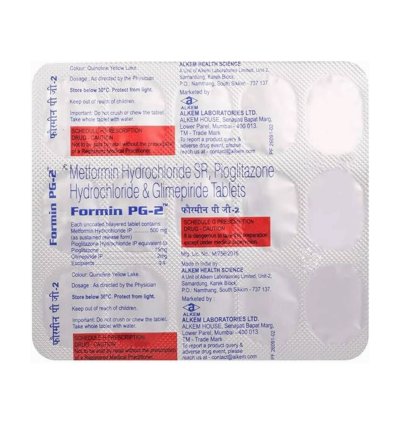
GMR PM2 is an oral antidiabetic medication, typically a fixed-dose combination of Glimepiride and Metformin. Glimepiride, a sulfonylurea, acts by stimulating the pancreatic beta cells to release more insulin, thereby lowering blood glucose levels. Metformin, a biguanide, primarily works by reducing glucose production in the liver and improving the body's sensitivity to insulin in peripheral tissues, such as muscles. This dual mechanism of action provides comprehensive glycemic control, targeting both insulin secretion and insulin resistance. It is prescribed for adults with type 2 diabetes mellitus when diet and exercise alone, or monotherapy with either component, are insufficient to achieve adequate blood sugar regulation. The combination helps to reduce both fasting and postprandial glucose levels effectively.
Uses
- Type 2 Diabetes Mellitus
- Glycemic control improvement
- Reduction of fasting blood glucose
- Reduction of postprandial blood glucose
Directions For Use
Take orally with meals, usually once or twice daily, as prescribed by your physician. Swallow the tablet whole with water.
Benefits
- Improved blood sugar control
- Reduced risk of diabetes complications
- Dual mechanism of action
- Convenient combination therapy
- May aid in weight management (Metformin)
- Helps lower HbA1c levels
Side Effects
- Hypoglycemia (low blood sugar)
- Nausea
- Diarrhea
- Abdominal pain
- Vomiting
- Metallic taste
- Headache
- Dizziness
- Skin rash
- Lactic acidosis (rare but serious)
- Vitamin B12 deficiency
- Weight gain (Glimepiride)
Safety Measures
- Alcohol - Avoid excessive alcohol consumption due to increased risk of hypoglycemia and lactic acidosis.
- Pregnancy - Generally not recommended; insulin is preferred for glycemic control during pregnancy. Consult a doctor.
- Breastfeeding - Not recommended as Metformin passes into breast milk. Consult a doctor for alternatives.
- Liver - Use with caution; increased risk of lactic acidosis. Regular monitoring of liver function is advised.
- Kidney - Contraindicated in severe renal impairment due to risk of lactic acidosis. Dose adjustment needed for moderate impairment.
- Lung - No direct specific lung contraindications, but severe respiratory conditions can increase lactic acidosis risk.
Disclaimer
MedEHub is committed to delivering reliable, expert-reviewd information to help consumers make informed health decisions. However, the content provided on this website is for informational purposes only and is not intended to replace professional medical advice, diagnosis or treatment.
Always consult your doctor for any medical concerns, and discuss your questions about health conditions or medications with a qualified healthcare professional. Do not ignore or delay seeking professional medical advice based on information found on Med E Hub.
Our goal is to complement, not replace, the essential doctor-patient relationship.
| Shipping Cost |
|
| Shop Location | Assam, India |








No comments found for this product. Be the first to comment!