

About
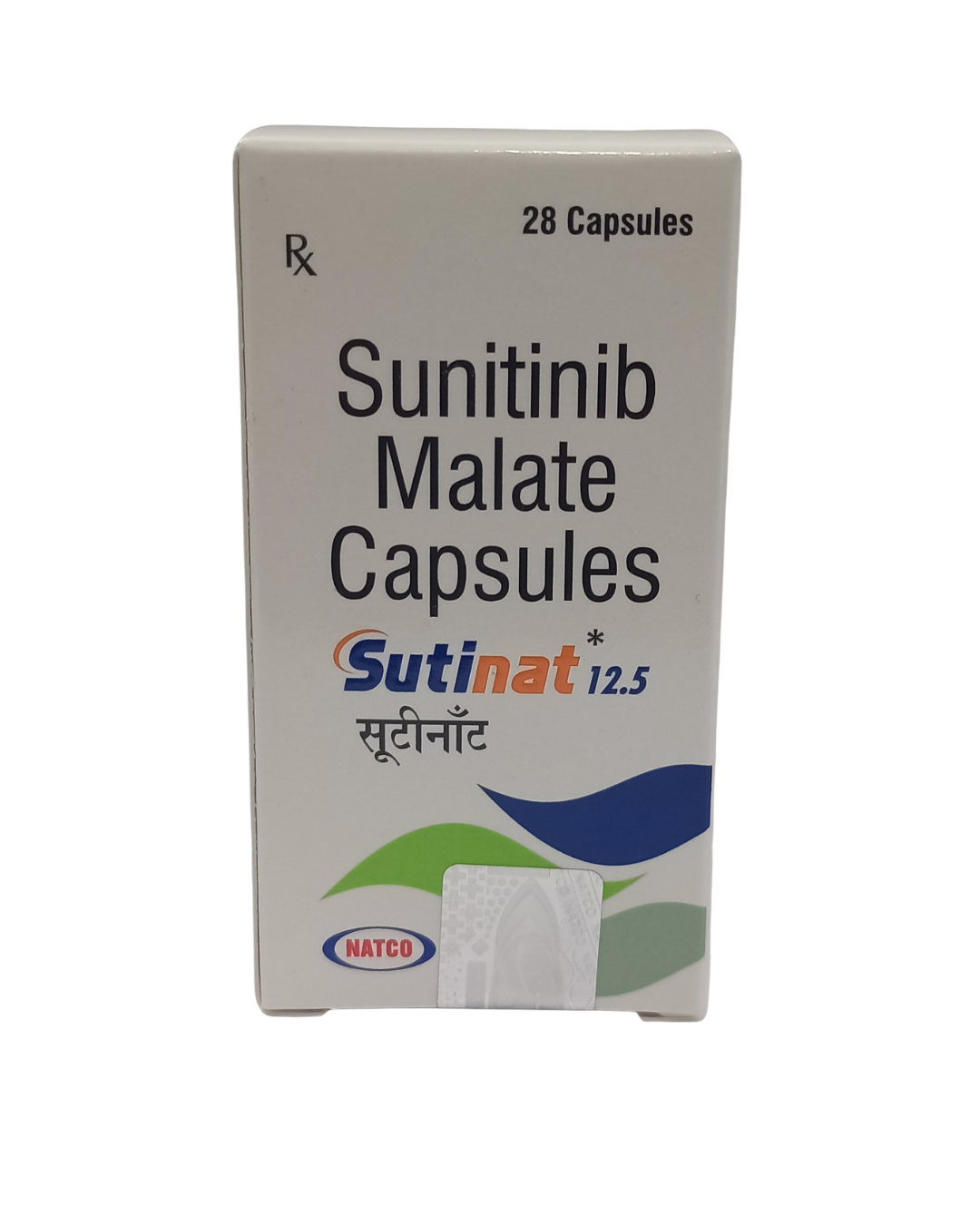
Sunitinib is an oral multi-targeted receptor tyrosine kinase (RTK) inhibitor used in the treatment of various cancers. It works by inhibiting multiple RTKs involved in tumor growth, angiogenesis (formation of new blood vessels to feed the tumor), and metastatic progression. Key targets include vascular endothelial growth factor receptors (VEGFR1, VEGFR2, VEGFR3), platelet-derived growth factor receptors (PDGFRα and PDGFRβ), KIT, FLT3, and RET. By blocking these pathways, sunitinib effectively starves the tumor of blood supply, inhibits cancer cell proliferation, and promotes apoptosis. This broad inhibitory profile makes it a versatile agent against several aggressive malignancies.
Sunitinib is particularly indicated for the treatment of gastrointestinal stromal tumor (GIST) after imatinib failure, advanced renal cell carcinoma (RCC), and well-differentiated, progressive pancreatic neuroendocrine tumors (pNET). Its administration typically follows an intermittent dosing schedule to manage side effects and optimize therapeutic efficacy. Close monitoring for cardiovascular, dermatological, and hematological toxicities is essential during treatment.
Uses
- Treatment of gastrointestinal stromal tumor (GIST) after imatinib resistance or intolerance.
- Treatment of advanced renal cell carcinoma (RCC).
- Treatment of well-differentiated, progressive pancreatic neuroendocrine tumors (pNET).
- Used in patients with unresectable or metastatic disease.
Directions For Use
Take orally once daily, with or without food, for a specific period followed by a rest period, as directed by your oncologist.
Benefits
- Targets multiple pathways involved in cancer growth.
- Inhibits tumor angiogenesis.
- Effective against several aggressive cancers.
- Oral administration for convenience.
- Can be used after other therapies fail.
- Improves progression-free survival.
Side Effects
- Fatigue
- Diarrhea
- Nausea
- Vomiting
- Stomatitis
- Hand-foot syndrome (palmar-plantar erythrodysesthesia)
- Hypertension
- Skin discoloration
- Taste alteration
- Anorexia
- Thyroid dysfunction
- Hemorrhage
Safety Measures
- Alcohol - No specific contraindication, but alcohol may exacerbate gastrointestinal side effects or contribute to fatigue.
- Pregnancy - May cause fetal harm; avoid use during pregnancy. Advise women of reproductive potential to use effective contraception.
- Breastfeeding - It is unknown if sunitinib passes into breast milk; advise against breastfeeding during treatment and for 4 weeks after the last dose.
- Liver - Use with caution in patients with hepatic impairment; monitor liver function closely. Dose adjustment may be necessary.
- Kidney - No dose adjustment is required for mild to moderate renal impairment; use with caution in severe impairment.
- Lung - Monitor for new or worsening pulmonary symptoms, including interstitial lung disease, though rare.
Disclaimer
MedEHub is committed to delivering reliable, expert-reviewd information to help consumers make informed health decisions. However, the content provided on this website is for informational purposes only and is not intended to replace professional medical advice, diagnosis or treatment.
Always consult your doctor for any medical concerns, and discuss your questions about health conditions or medications with a qualified healthcare professional. Do not ignore or delay seeking professional medical advice based on information found on Med E Hub.
Our goal is to complement, not replace, the essential doctor-patient relationship.
| Shipping Cost |
|
| Shop Location | Assam, India |











No comments found for this product. Be the first to comment!