
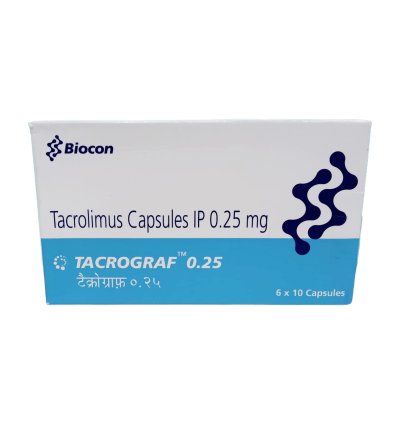
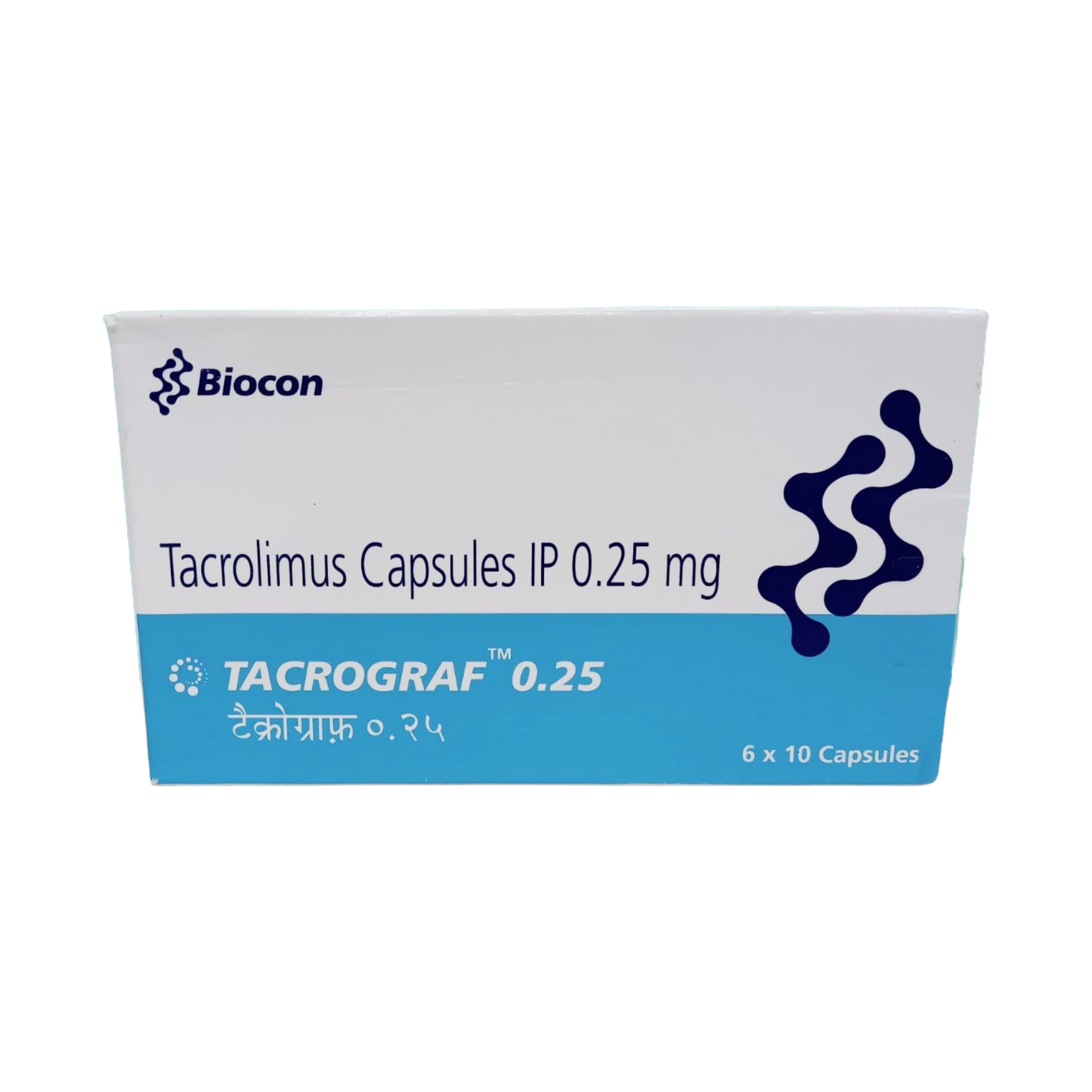
About
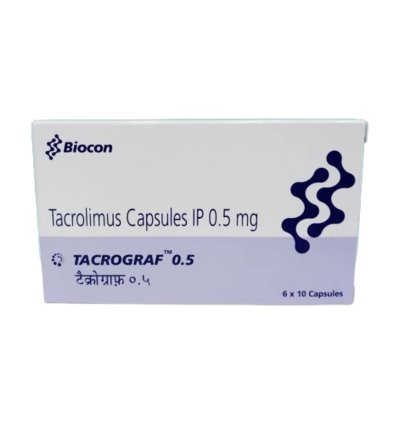
Tacrolimus, a potent immunosuppressant belonging to the calcineurin inhibitor class, is a cornerstone medication in the prevention of organ rejection following solid organ transplantation. Its mechanism involves inhibiting the activity of calcineurin, an enzyme critical for the activation of T-lymphocytes, which are central to the body's immune response against foreign tissues. By preventing the dephosphorylation of NFAT, tacrolimus effectively blocks the transcription of genes encoding key cytokines like IL-2, thereby suppressing T-cell proliferation and differentiation. This targeted immune modulation helps the recipient's body accept the transplanted organ, significantly reducing the risk of acute and chronic rejection episodes. Due to its narrow therapeutic window, precise dosing and diligent therapeutic drug monitoring are essential to maintain optimal efficacy while minimizing adverse effects.
Uses
- Prevention of rejection in kidney transplant patients.
- Prevention of rejection in liver transplant patients.
- Prevention of rejection in heart transplant patients.
- Treatment of acute rejection episodes in transplant recipients.
Directions For Use
Take this medication exactly as prescribed by your physician, typically once or twice daily, preferably at the same time each day, on an empty stomach.
Benefits
- Highly effective in preventing transplant rejection.
- Contributes to improved long-term graft survival.
- Reduces the incidence of acute rejection episodes.
- Essential for successful organ transplantation outcomes.
- Helps maintain the function of the transplanted organ.
- A critical component of post-transplant care.
Side Effects
- Tremor
- Headache
- Hypertension
- Nephrotoxicity
- Hyperglycemia
- Diarrhea
- Nausea
- Insomnia
- Electrolyte disturbances
- Increased risk of infections
- Increased risk of malignancies
- Peripheral edema
Safety Measures
- Alcohol - Avoid or significantly limit alcohol intake as it can increase the risk of liver toxicity and may interfere with tacrolimus metabolism, potentially altering drug levels.
- Pregnancy - Tacrolimus can be harmful to the fetus. It should be used during pregnancy only if the potential benefits clearly outweigh the risks, and under strict medical guidance. Discuss contraception with your doctor.
- Breastfeeding - Tacrolimus is excreted into breast milk and may pose risks to the nursing infant. Breastfeeding is generally not recommended. Consult your healthcare provider.
- Liver - Patients with hepatic impairment may require dose adjustments and close monitoring of liver function due to the extensive hepatic metabolism of tacrolimus.
- Kidney - Tacrolimus is nephrotoxic. Close monitoring of renal function is essential, and dose adjustments may be necessary, especially in patients with pre-existing kidney disease.
- Lung - Rarely, tacrolimus has been associated with pulmonary toxicity, including interstitial lung disease. Report any new or worsening respiratory symptoms to your doctor promptly.
Disclaimer
MedEHub is committed to delivering reliable, expert-reviewd information to help consumers make informed health decisions. However, the content provided on this website is for informational purposes only and is not intended to replace professional medical advice, diagnosis or treatment.
Always consult your doctor for any medical concerns, and discuss your questions about health conditions or medications with a qualified healthcare professional. Do not ignore or delay seeking professional medical advice based on information found on Med E Hub.
Our goal is to complement, not replace, the essential doctor-patient relationship.
| Shipping Cost |
|
| Shop Location | Assam, India |





No comments found for this product. Be the first to comment!