

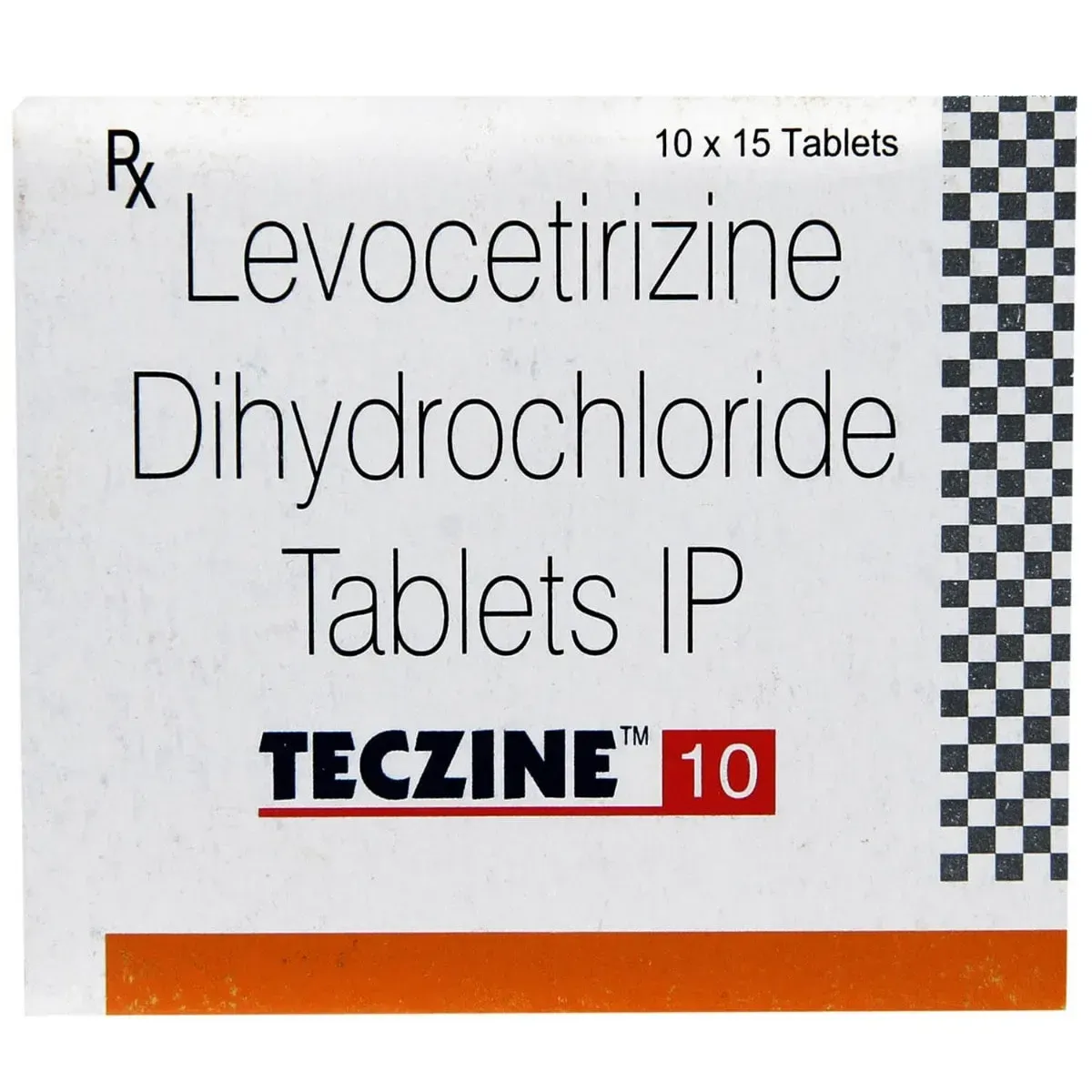
About
Cetirizine is a second-generation antihistamine that selectively blocks histamine H1 receptors, thereby inhibiting the effects of histamine, a key chemical mediator released during allergic reactions. It is known for its rapid onset of action and relatively long duration, providing effective relief from various allergic symptoms with less sedative effects compared to first-generation antihistamines. Its primary mechanism involves preventing histamine from binding to its receptors, which reduces inflammation, itching, sneezing, and other allergic manifestations.
This targeted action helps to alleviate symptoms of seasonal and perennial allergic rhinitis, as well as chronic idiopathic urticaria. Cetirizine is minimally metabolized in the liver and primarily excreted unchanged in the urine, contributing to its favorable safety profile. Its efficacy and once-daily dosing make it a convenient option for managing allergic conditions.
Uses
- Relief of symptoms associated with seasonal allergic rhinitis.
- Treatment of perennial allergic rhinitis.
- Management of chronic idiopathic urticaria (hives).
- Alleviation of allergic conjunctivitis symptoms.
Directions For Use
Take one tablet orally, usually once daily, with or without food, as directed by your physician. Do not exceed the recommended dosage.
Benefits
- Provides effective relief from allergy symptoms.
- Generally causes less drowsiness than older antihistamines.
- Offers a long-lasting effect, often requiring once-daily dosing.
- Helps reduce itching, sneezing, and runny nose.
- Effective for both seasonal and perennial allergies.
- Improves quality of life for allergy sufferers.
Side Effects
- Drowsiness
- Fatigue
- Dry mouth
- Headache
- Dizziness
- Nausea
- Sore throat
- Abdominal pain
- Diarrhea
- Constipation
- Blurred vision
- Rash
Safety Measures
- Alcohol - Concomitant use with alcohol may increase central nervous system depression, leading to enhanced drowsiness and impaired alertness. It is advisable to avoid or limit alcohol consumption.
- Pregnancy - Generally considered low risk, but use during pregnancy should only be undertaken if clearly needed and after consulting a healthcare professional, weighing potential benefits against risks.
- Breastfeeding - Cetirizine is excreted in breast milk. While generally considered safe, it may cause drowsiness in the infant. Use with caution and under medical supervision.
- Liver - No significant dose adjustment is typically required for mild to moderate liver impairment, but caution is advised. Severe liver disease may necessitate dose reduction.
- Kidney - Dose adjustment is usually required in patients with moderate to severe renal impairment due to its primary renal excretion. Consult a physician for appropriate dosing.
- Lung - Generally safe for use in patients with lung conditions like asthma, as it does not typically exacerbate respiratory symptoms. However, always consult a doctor.
Disclaimer
MedEHub is committed to delivering reliable, expert-reviewd information to help consumers make informed health decisions. However, the content provided on this website is for informational purposes only and is not intended to replace professional medical advice, diagnosis or treatment.
Always consult your doctor for any medical concerns, and discuss your questions about health conditions or medications with a qualified healthcare professional. Do not ignore or delay seeking professional medical advice based on information found on Med E Hub.
Our goal is to complement, not replace, the essential doctor-patient relationship.
| Shipping Cost |
|
| Shop Location | Assam, India |










No comments found for this product. Be the first to comment!