
About
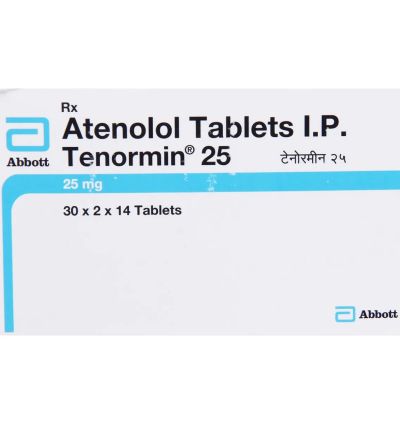
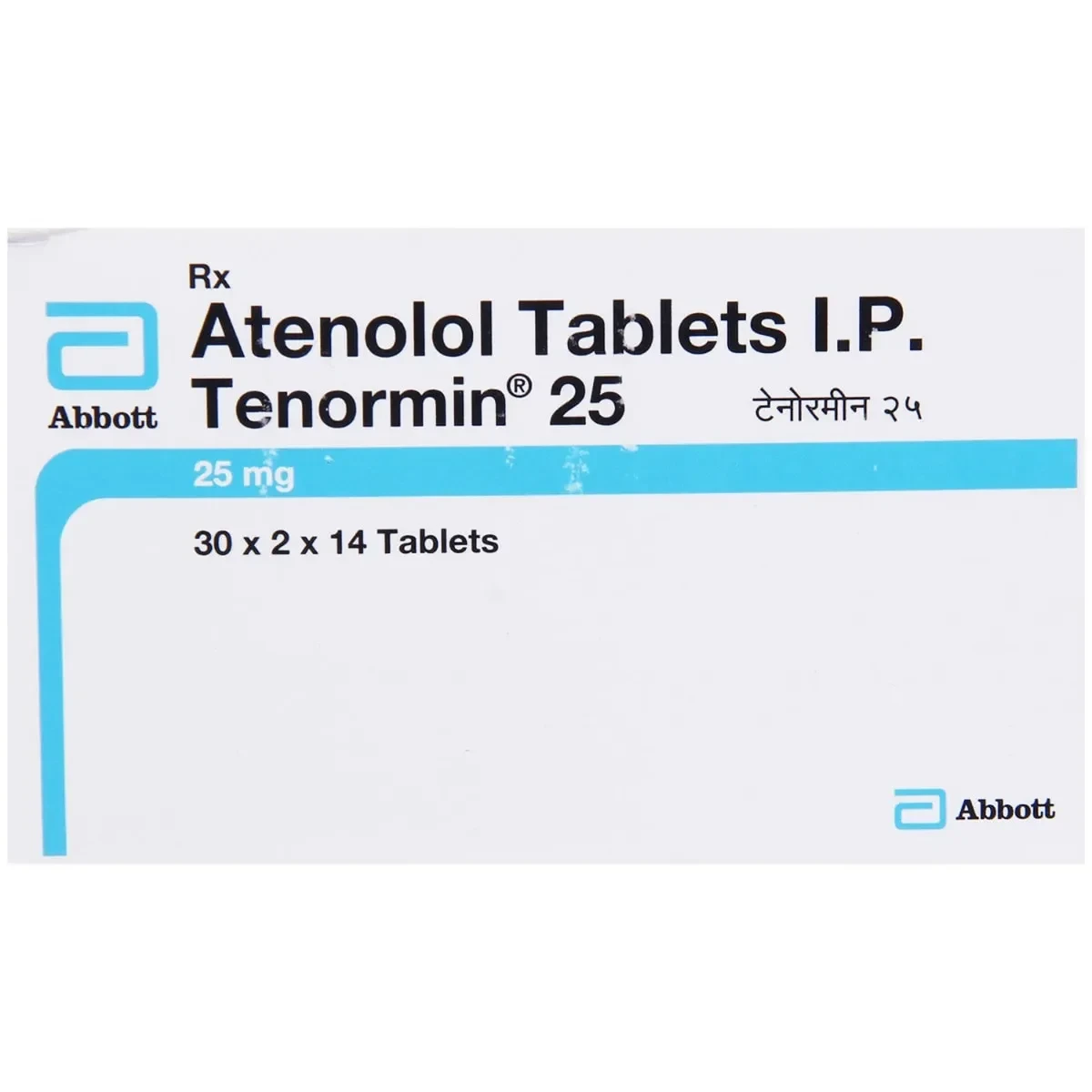
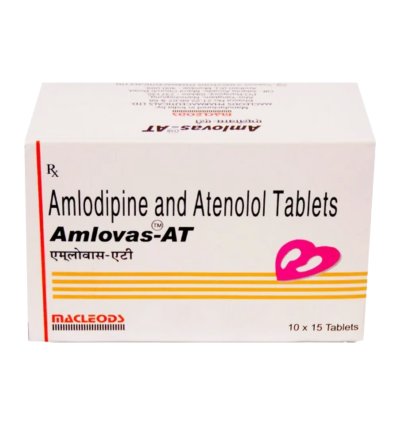
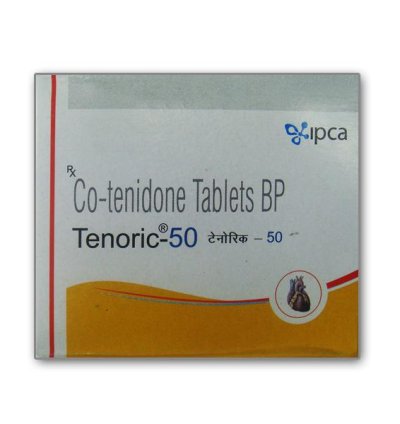
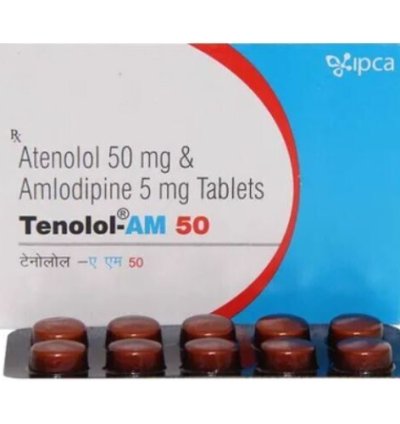
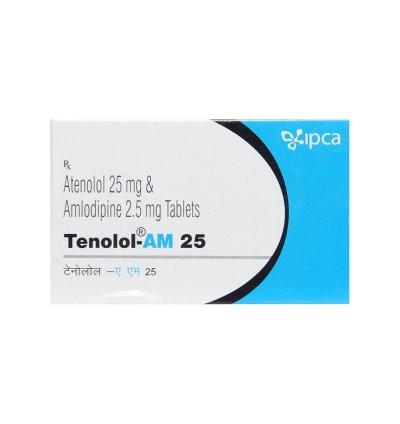
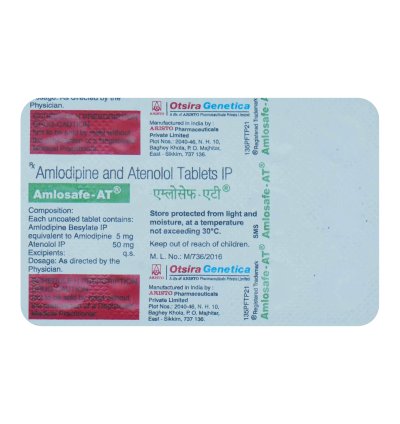
Atenolol, marketed as Tenormin, is a cardioselective beta-1 adrenergic receptor blocker. It primarily acts on beta-1 receptors located in the heart, leading to a reduction in heart rate, myocardial contractility, and cardiac output. This action effectively lowers blood pressure and decreases the heart's oxygen demand, making it highly beneficial in conditions like hypertension and angina pectoris. Its cardioselectivity means it has a relatively lesser effect on beta-2 receptors found in the bronchi and peripheral blood vessels, which can be advantageous for patients with mild to moderate respiratory conditions compared to non-selective beta-blockers. Atenolol is also commonly prescribed for the management of certain cardiac arrhythmias and for secondary prevention following a myocardial infarction. Its long duration of action allows for convenient once-daily dosing, which significantly contributes to patient adherence in chronic therapeutic regimens.
Uses
- Management of essential hypertension.
- Prophylaxis of angina pectoris.
- Treatment of certain cardiac arrhythmias.
- Post-myocardial infarction management to reduce mortality.
Directions For Use
Take this tablet orally, usually once daily, as directed by your physician. It can be taken with or without food.
Benefits
- Effectively lowers high blood pressure.
- Reduces frequency and severity of angina attacks.
- Helps regulate heart rhythm.
- Decreases risk of cardiovascular events post-MI.
- Once-daily dosing for convenience.
- Cardioselective action.
Side Effects
- Bradycardia (slow heart rate)
- Hypotension (low blood pressure)
- Dizziness
- Fatigue
- Cold extremities
- Nausea
- Diarrhea
- Insomnia
- Depression
- Bronchospasm (rare, but possible)
- Sexual dysfunction
- Masking of hypoglycemia symptoms
Safety Measures
- Alcohol - Alcohol can enhance the hypotensive effects of atenolol; avoid excessive consumption and monitor blood pressure.
- Pregnancy - Generally not recommended during pregnancy, especially in the first trimester, due to potential fetal growth restriction and bradycardia.
- Breastfeeding - Atenolol passes into breast milk; use with caution and monitor the infant for bradycardia and hypoglycemia.
- Liver - Atenolol is primarily renally excreted; liver impairment generally does not require dose adjustment.
- Kidney - Requires dose adjustment in patients with significant renal impairment due to its renal excretion.
- Lung - Use with caution in patients with asthma or severe COPD, despite cardioselectivity, as bronchospasm can occur.
Disclaimer
MedEHub is committed to delivering reliable, expert-reviewd information to help consumers make informed health decisions. However, the content provided on this website is for informational purposes only and is not intended to replace professional medical advice, diagnosis or treatment.
Always consult your doctor for any medical concerns, and discuss your questions about health conditions or medications with a qualified healthcare professional. Do not ignore or delay seeking professional medical advice based on information found on Med E Hub.
Our goal is to complement, not replace, the essential doctor-patient relationship.
| Shipping Cost |
|
| Shop Location | Assam, India |








No comments found for this product. Be the first to comment!