

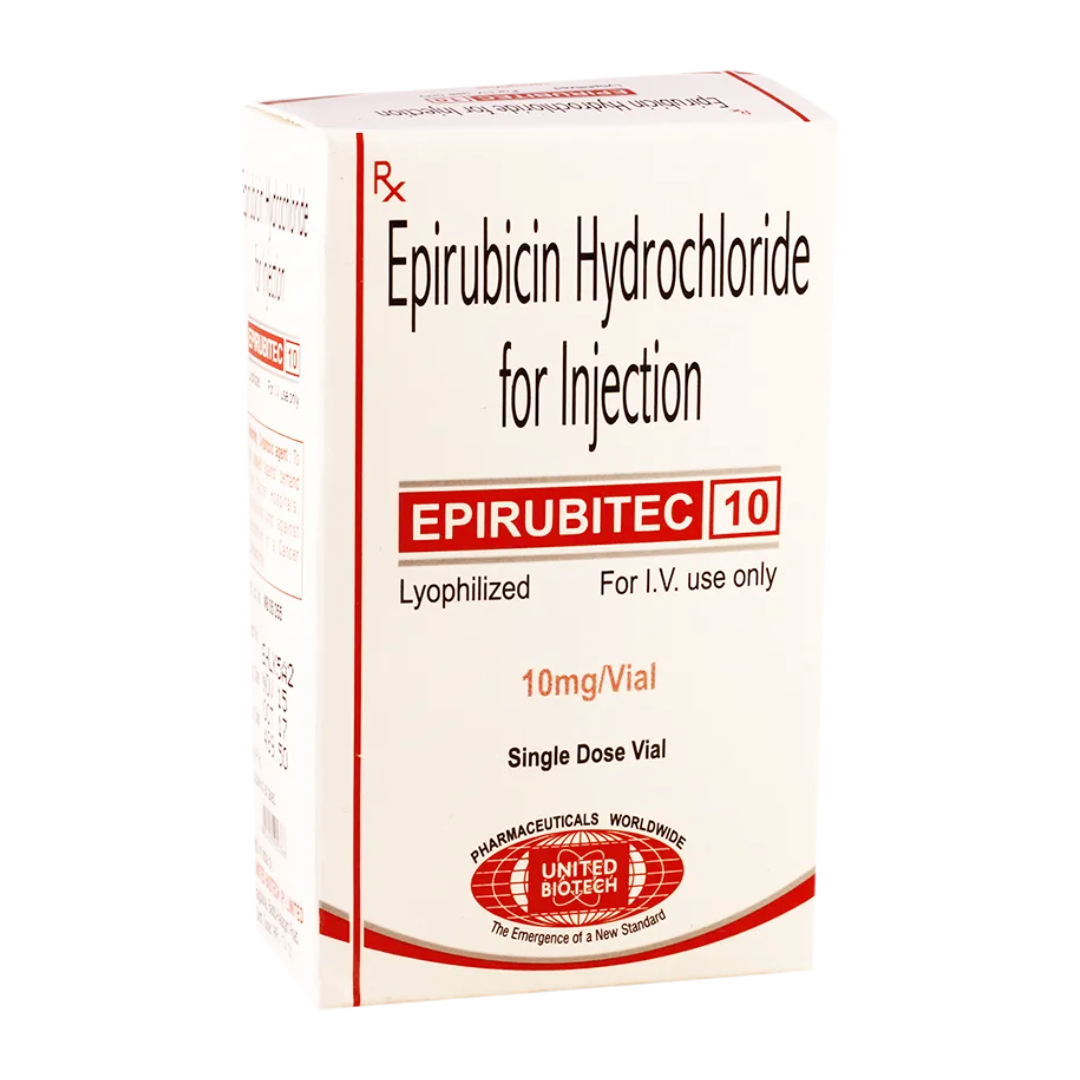
About
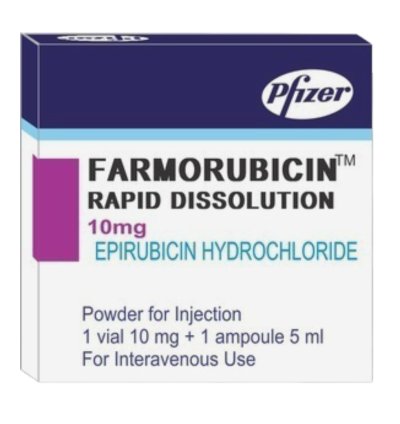
Epirubicin is an anthracycline cytotoxic agent, a type of chemotherapy drug widely used in the treatment of various cancers. Its primary mechanism of action involves intercalating into DNA, which disrupts DNA and RNA synthesis, and inhibiting topoisomerase II, an enzyme crucial for DNA replication and repair. Additionally, epirubicin generates free radicals, leading to oxidative damage to cellular components. These combined actions result in significant DNA damage and ultimately induce apoptosis in rapidly dividing cancer cells. Administered intravenously, epirubicin is effective against a broad spectrum of solid tumors and hematological malignancies, including breast cancer, ovarian cancer, and lymphomas. Its potent cytotoxic effects, while effective in cancer eradication, also contribute to its characteristic profile of systemic side effects, necessitating careful patient monitoring during treatment to manage potential adverse reactions and optimize therapeutic outcomes.
Uses
- Adjuvant therapy for early-stage breast cancer.
- Treatment of advanced breast cancer.
- Management of ovarian cancer.
- Treatment of gastric cancer.
Directions For Use
Administered intravenously by a healthcare professional. Dosage and infusion rate are determined by body surface area and specific cancer protocol.
Benefits
- Effective against a wide range of solid tumors.
- Can be used as adjuvant or neoadjuvant therapy.
- Part of established chemotherapy regimens.
- Contributes to disease control and remission.
- May improve survival rates in certain cancers.
- Well-studied and widely used in oncology.
Side Effects
- Myelosuppression (low blood counts)
- Nausea and vomiting
- Alopecia (hair loss)
- Mucositis/stomatitis
- Cardiotoxicity (dose-dependent)
- Fatigue
- Red urine (harmless, due to drug excretion)
- Injection site reactions
- Anorexia
- Diarrhea
- Amenorrhea
- Secondary malignancies (rare)
Safety Measures
- Alcohol - Avoid alcohol due to potential for increased liver toxicity and gastrointestinal irritation, especially during chemotherapy.
- Pregnancy - Contraindicated during pregnancy due to significant risk of fetal malformations and toxicity. Effective contraception is essential.
- Breastfeeding - Contraindicated during breastfeeding as the drug is excreted in breast milk and can cause serious adverse effects in the infant.
- Liver - Use with extreme caution and reduced doses in patients with impaired liver function, as it is primarily metabolized by the liver.
- Kidney - Use with caution in patients with severe renal impairment; dose adjustments may be necessary, and renal function should be monitored.
- Lung - While not a primary lung toxicant, patients with pre-existing lung conditions should be monitored for any respiratory complications during treatment.
Disclaimer
MedEHub is committed to delivering reliable, expert-reviewd information to help consumers make informed health decisions. However, the content provided on this website is for informational purposes only and is not intended to replace professional medical advice, diagnosis or treatment.
Always consult your doctor for any medical concerns, and discuss your questions about health conditions or medications with a qualified healthcare professional. Do not ignore or delay seeking professional medical advice based on information found on Med E Hub.
Our goal is to complement, not replace, the essential doctor-patient relationship.
| Shipping Cost |
|
| Shop Location | Assam, India |








No comments found for this product. Be the first to comment!