
About
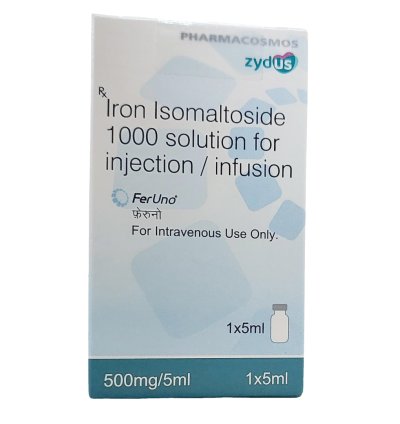
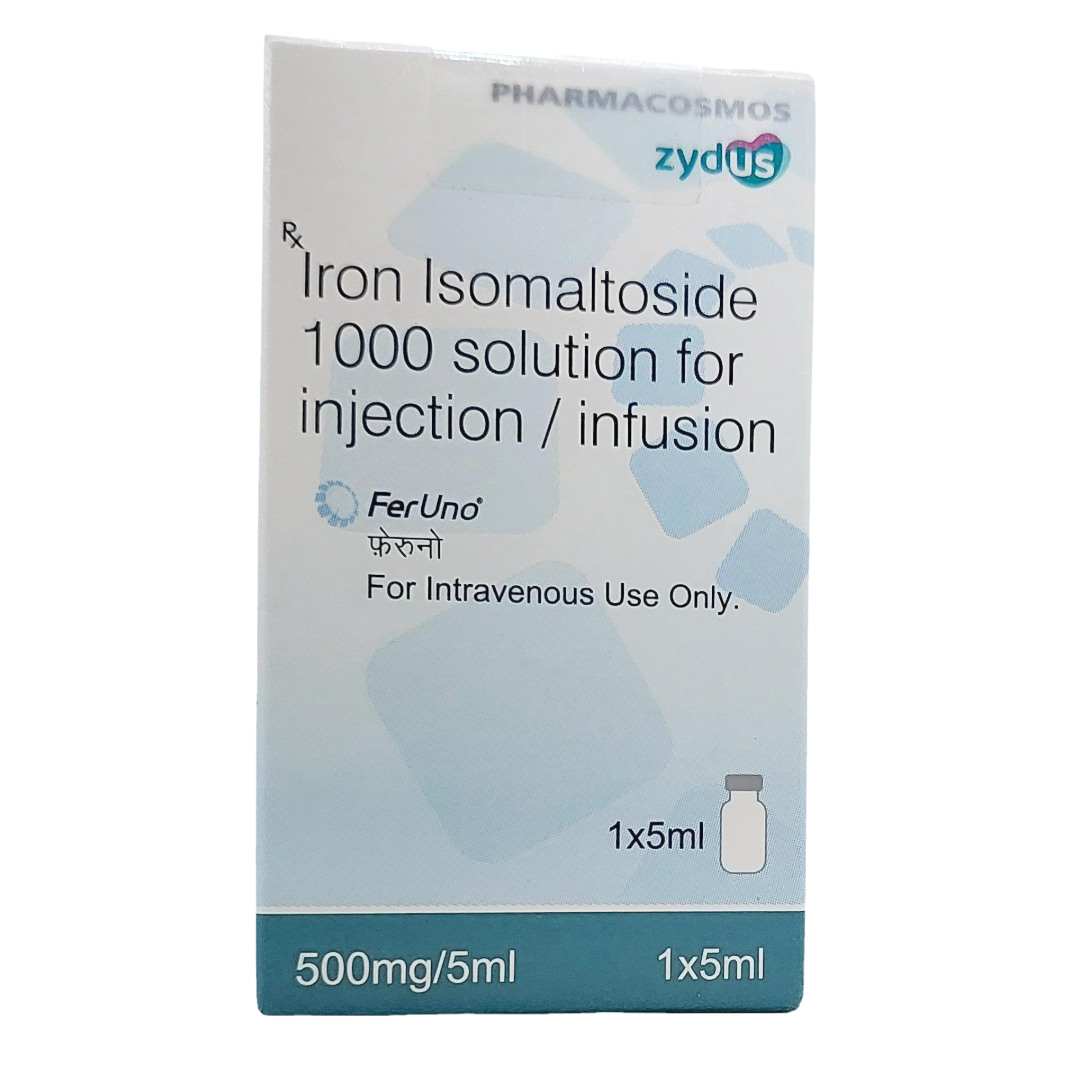
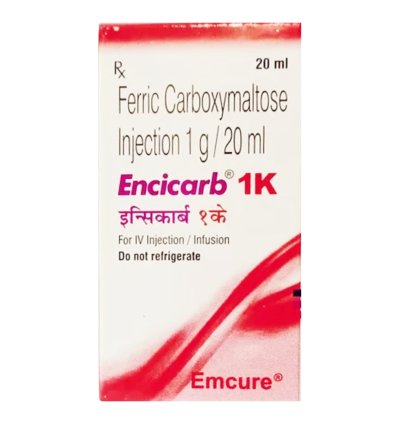
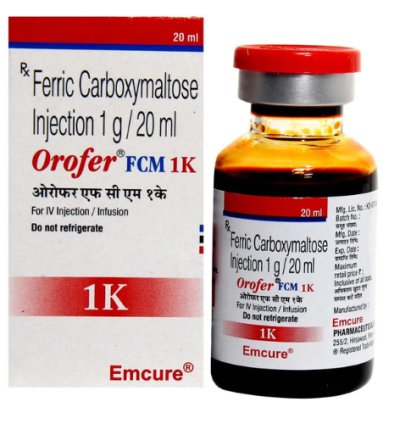
Intravenous iron preparations are used to treat iron deficiency anemia in patients who cannot tolerate or adequately respond to oral iron therapy, or when rapid iron repletion is required. These formulations deliver iron directly into the bloodstream, bypassing the gastrointestinal tract and allowing for efficient iron uptake by erythroid precursor cells in the bone marrow. The iron is typically complexed with a carbohydrate ligand, which helps to control its release and minimize the risk of free iron toxicity. This approach is particularly beneficial for patients with chronic kidney disease, inflammatory bowel disease, or those undergoing chemotherapy, where oral iron absorption may be impaired or insufficient. The goal is to restore iron stores and improve hemoglobin levels, thereby alleviating symptoms associated with anemia such as fatigue and shortness of breath.
Uses
- Treatment of iron deficiency anemia in chronic kidney disease patients.
- Management of iron deficiency in inflammatory bowel disease.
- Repletion of iron stores in patients intolerant to oral iron.
- Rapid iron supplementation in cases of significant blood loss.
Directions For Use
Administered intravenously by a healthcare professional. Dosage and infusion rate are determined by the patient's iron status and body weight.
Benefits
- Rapid and effective iron repletion.
- Bypasses gastrointestinal absorption issues.
- Suitable for patients intolerant to oral iron.
- Improves hemoglobin levels efficiently.
- Reduces symptoms of iron deficiency anemia.
- Convenient for patients requiring high doses of iron.
Side Effects
- Nausea
- Vomiting
- Diarrhea
- Constipation
- Headache
- Dizziness
- Hypotension
- Hypertension
- Injection site reactions (pain, swelling)
- Allergic reactions (rash, itching)
- Flushing
- Muscle cramps
Safety Measures
- Alcohol - Alcohol consumption should be discussed with a doctor, as it may exacerbate some side effects or interact with underlying conditions contributing to anemia.
- Pregnancy - Use during pregnancy should only be considered if the potential benefit outweighs the potential risk to the fetus, and under strict medical supervision.
- Breastfeeding - Small amounts of iron may pass into breast milk; consult a doctor to assess risks and benefits for the infant.
- Liver - Use with caution in patients with pre-existing liver conditions, as iron overload can worsen liver function.
- Kidney - Generally safe and often indicated for iron deficiency in chronic kidney disease, but dose adjustments may be necessary in severe renal impairment.
- Lung - Patients with severe asthma or other chronic lung conditions should be monitored closely due to the potential for hypersensitivity reactions.
Disclaimer
MedEHub is committed to delivering reliable, expert-reviewd information to help consumers make informed health decisions. However, the content provided on this website is for informational purposes only and is not intended to replace professional medical advice, diagnosis or treatment.
Always consult your doctor for any medical concerns, and discuss your questions about health conditions or medications with a qualified healthcare professional. Do not ignore or delay seeking professional medical advice based on information found on Med E Hub.
Our goal is to complement, not replace, the essential doctor-patient relationship.
| Shipping Cost |
|
| Shop Location | Assam, India |








No comments found for this product. Be the first to comment!