


About
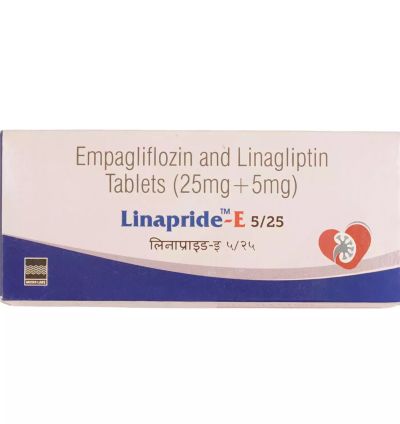
Empagliflozin is an oral antidiabetic agent belonging to the class of sodium-glucose co-transporter 2 (SGLT2) inhibitors. Its primary mechanism of action involves inhibiting SGLT2 in the renal tubules, thereby reducing glucose reabsorption and increasing urinary glucose excretion. This leads to a reduction in plasma glucose concentrations in patients with type 2 diabetes mellitus. Beyond its glycemic benefits, empagliflozin has been shown to significantly reduce the risk of cardiovascular death, hospitalization for heart failure, and progression of renal disease in adults with type 2 diabetes who have established cardiovascular disease or chronic kidney disease. It offers a comprehensive approach to managing type 2 diabetes, addressing both glycemic control and associated comorbidities.
Uses
- To improve glycemic control in adults with type 2 diabetes.
- To reduce the risk of cardiovascular death in adults with type 2 diabetes and established cardiovascular disease.
- To reduce the risk of hospitalization for heart failure in adults with type 2 diabetes.
- To reduce the risk of kidney disease progression in adults with type 2 diabetes and chronic kidney disease.
Directions For Use
Take this medication orally once daily in the morning, with or without food, as prescribed by your healthcare provider.
Benefits
- Effective in lowering blood glucose.
- Reduces HbA1c levels.
- Provides significant cardiovascular protection.
- Offers renal protective benefits.
- Contributes to modest weight loss.
- Low risk of hypoglycemia when used as monotherapy.
Side Effects
- Genital mycotic infections
- Urinary tract infections
- Increased frequency of urination
- Thirst
- Nausea
- Dizziness
- Hypotension
- Diabetic ketoacidosis (rare)
- Acute kidney injury
- Fournier's gangrene (very rare)
- Hypoglycemia (when combined with insulin/sulfonylureas)
- Increased cholesterol levels
Safety Measures
- Alcohol - Limit alcohol intake as it can increase the risk of dehydration and diabetic ketoacidosis, particularly in susceptible individuals.
- Pregnancy - Not recommended during the second and third trimesters due to potential harm to the developing fetal kidney. Discuss with your doctor if you are pregnant or planning to conceive.
- Breastfeeding - It is not known whether empagliflozin is excreted in human milk. Due to potential serious adverse reactions in breastfed infants, breastfeeding is not advised.
- Liver - No dose adjustment is generally needed for mild to moderate hepatic impairment. Caution is advised in severe hepatic impairment due to limited clinical experience.
- Kidney - Not recommended for initiation if eGFR is persistently below 30 mL/min/1.73m². Renal function should be assessed before starting and periodically during treatment.
- Lung - No specific contraindications related to lung conditions. However, ensure adequate hydration, especially in patients with respiratory illnesses that may lead to fluid loss.
Disclaimer
MedEHub is committed to delivering reliable, expert-reviewd information to help consumers make informed health decisions. However, the content provided on this website is for informational purposes only and is not intended to replace professional medical advice, diagnosis or treatment.
Always consult your doctor for any medical concerns, and discuss your questions about health conditions or medications with a qualified healthcare professional. Do not ignore or delay seeking professional medical advice based on information found on Med E Hub.
Our goal is to complement, not replace, the essential doctor-patient relationship.
| Shipping Cost |
|
| Shop Location | Assam, India |














No comments found for this product. Be the first to comment!