
About
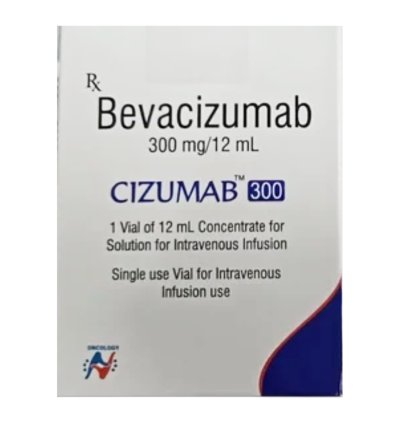
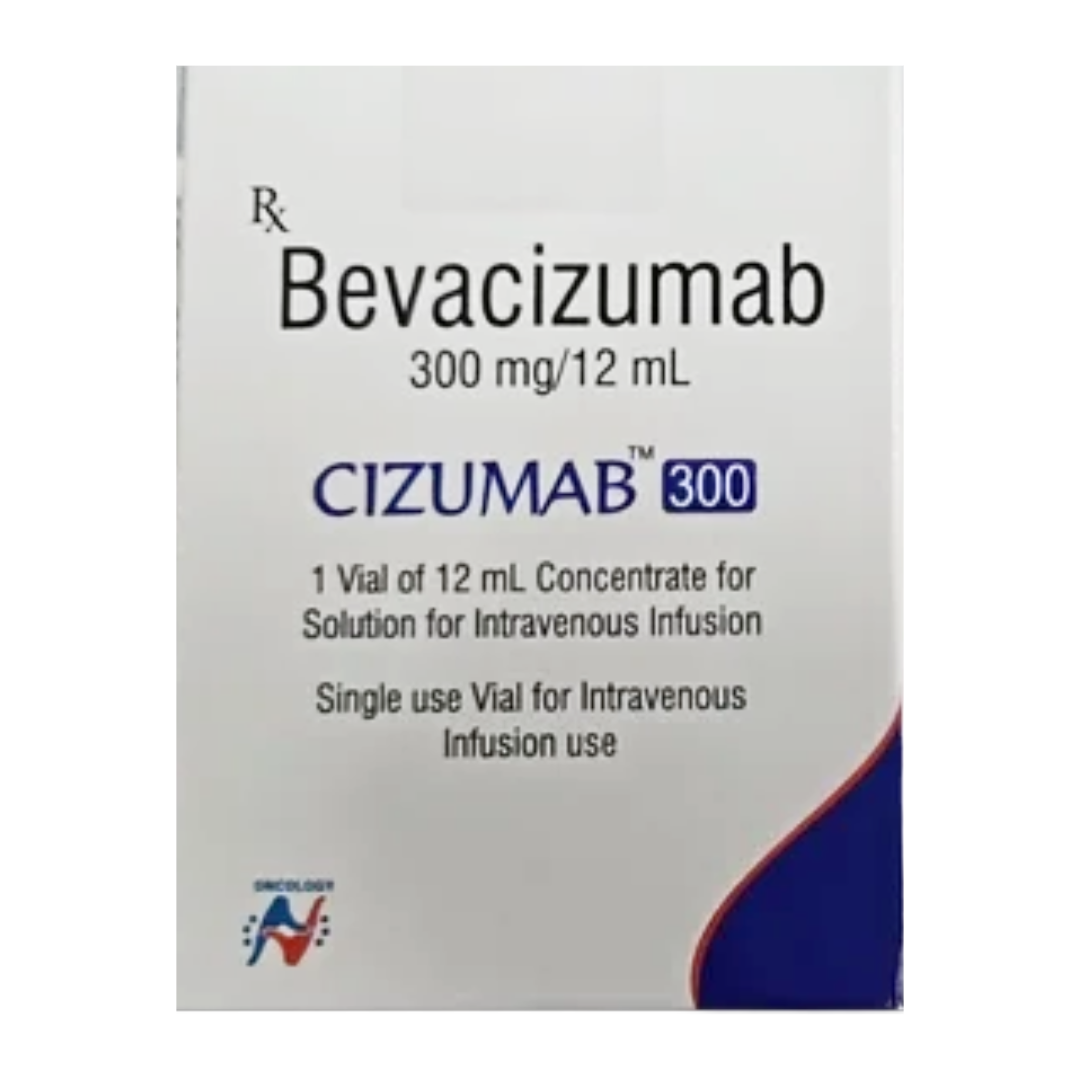
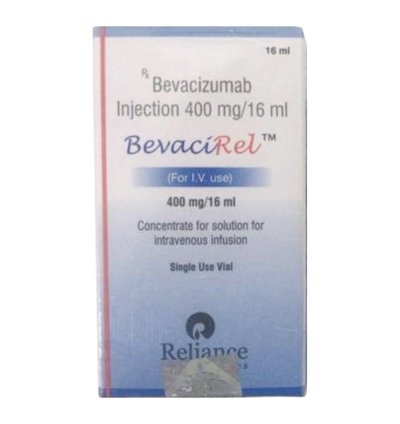
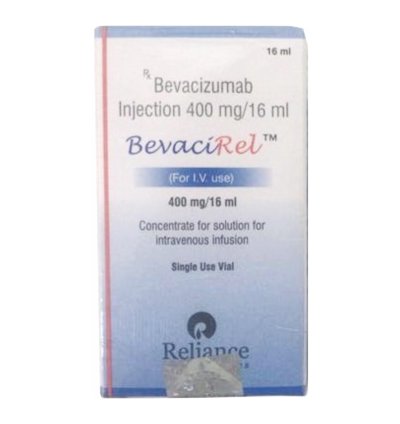
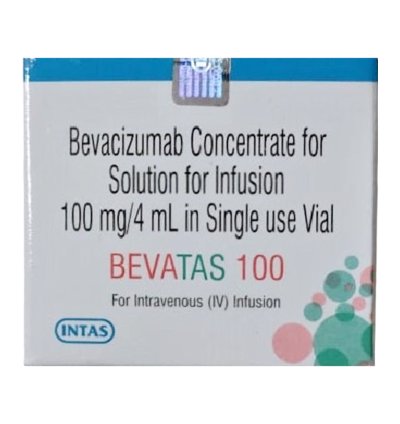
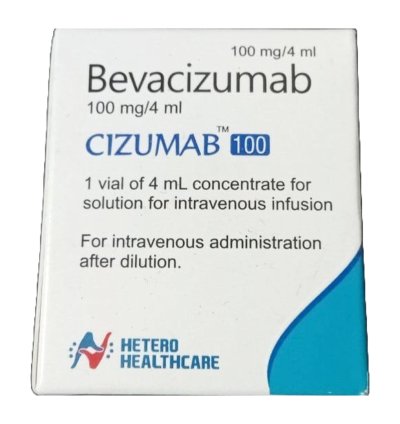
Cizumab 300mg Injection represents a class of advanced biological therapies, most commonly a monoclonal antibody, engineered to precisely target specific molecular pathways implicated in various diseases. Monoclonal antibodies are laboratory-produced proteins that mimic the body's natural antibodies, designed to recognize and bind to unique targets on cells or soluble proteins. Depending on its specific target, Cizumab can function as an anti-cancer agent by blocking growth factor receptors or immune checkpoints, thereby inhibiting tumor proliferation and enhancing anti-tumor immunity. Alternatively, it may act as an immunomodulator in autoimmune conditions by neutralizing inflammatory cytokines or blocking cell surface receptors involved in immune cell activation. This highly specific mechanism of action allows for targeted intervention, potentially leading to improved efficacy and a more favorable side effect profile compared to less specific conventional treatments, making it a cornerstone in modern oncology and immunology.
Uses
- Treatment of certain types of cancer (e.g., solid tumors, hematologic malignancies).
- Management of autoimmune diseases (e.g., rheumatoid arthritis, psoriasis).
- Inhibition of specific inflammatory pathways.
- Used when conventional therapies are insufficient.
Directions For Use
Administered intravenously or subcutaneously by a healthcare professional.
Dosage and frequency are determined by the treating physician based on the condition.
Benefits
- Highly targeted therapy.
- Potentially effective in resistant diseases.
- May improve disease control and remission rates.
- Reduces inflammation or inhibits tumor growth.
- Often used in advanced or severe conditions.
- Can improve patient quality of life.
Side Effects
- Infusion-related reactions (e.g., fever, chills, rash)
- Fatigue
- Nausea
- Diarrhea
- Headache
- Increased risk of infection
- Hypersensitivity reactions
- Skin reactions (e.g., rash, dry skin)
- Hypertension (high blood pressure)
- Proteinuria (protein in urine)
- Thrombotic events (blood clots)
- Immunogenicity (antibody formation against the drug)
Safety Measures
- Alcohol - No specific contraindication, but excessive alcohol use may compromise overall health and immune function, which is relevant for patients on biologics.
- Pregnancy - Use only if the potential benefit justifies the potential risk to the fetus. Monoclonal antibodies can cross the placenta, especially in later trimesters.
- Breastfeeding - The excretion into breast milk is generally low, but caution is advised. Consult a physician to weigh risks and benefits.
- Liver - Generally considered safe for liver function, but monitor liver enzymes if clinically indicated, especially with concomitant hepatotoxic drugs.
- Kidney - Dose adjustment is usually not required for renal impairment, but monitor kidney function, especially in patients with pre-existing conditions.
- Lung - Monitor for signs of interstitial lung disease or pneumonitis, which can be a rare but serious side effect of some monoclonal antibodies.
Disclaimer
MedEHub is committed to delivering reliable, expert-reviewd information to help consumers make informed health decisions. However, the content provided on this website is for informational purposes only and is not intended to replace professional medical advice, diagnosis or treatment.
Always consult your doctor for any medical concerns, and discuss your questions about health conditions or medications with a qualified healthcare professional. Do not ignore or delay seeking professional medical advice based on information found on Med E Hub.
Our goal is to complement, not replace, the essential doctor-patient relationship.
| Shipping Cost |
|
| Shop Location | Assam, India |



No comments found for this product. Be the first to comment!