

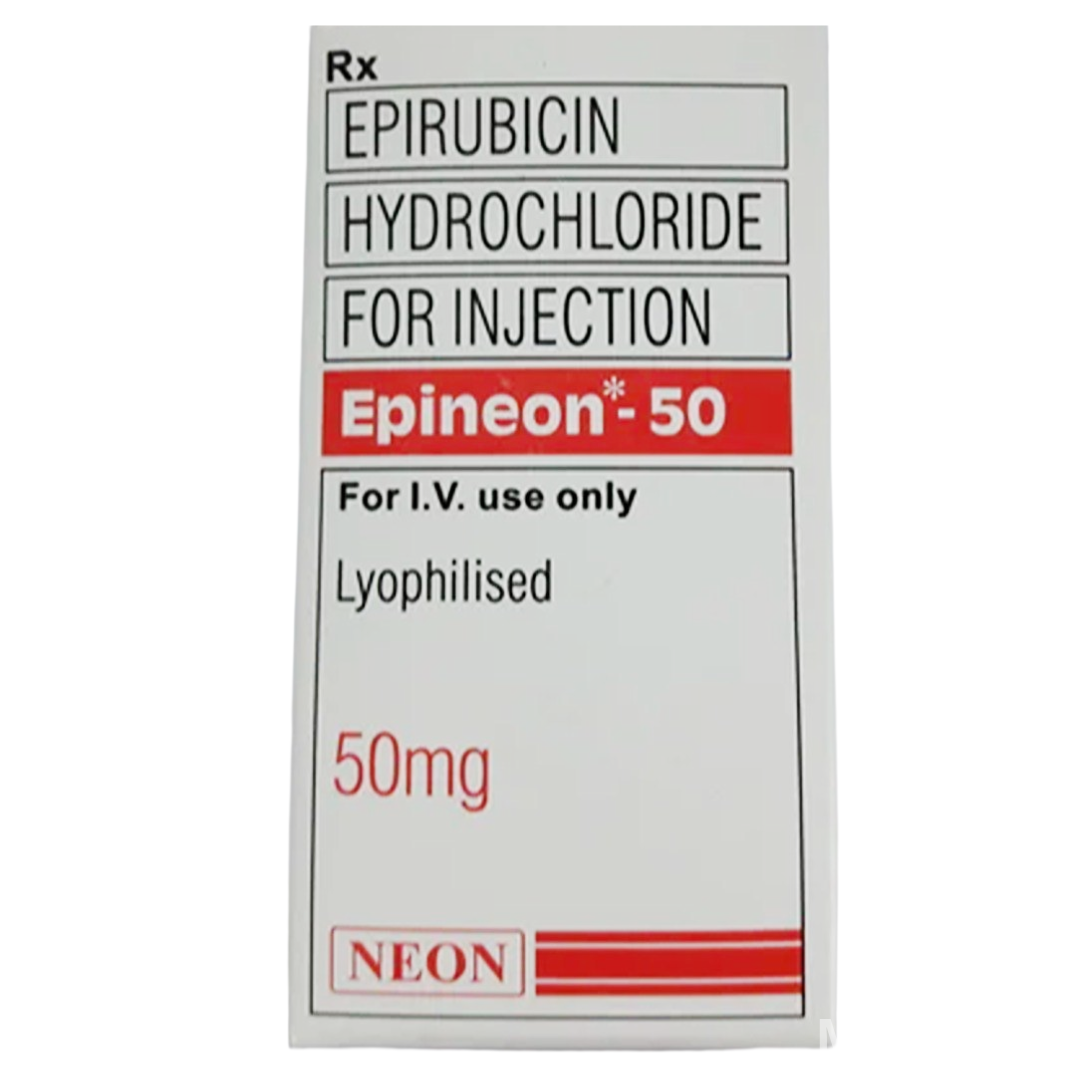
About
Epinephrine, also known as adrenaline, is a potent sympathomimetic agent that acts rapidly on both alpha and beta adrenergic receptors throughout the body. This broad receptor activation leads to a cascade of physiological effects crucial in emergency medicine. It swiftly reverses the life-threatening symptoms of severe allergic reactions (anaphylaxis) by causing bronchodilation to open airways, vasoconstriction to raise dangerously low blood pressure, and reducing swelling and urticaria. In cardiac arrest, epinephrine stimulates myocardial contractility, increases heart rate, and improves coronary and cerebral perfusion, aiding in resuscitation efforts. Its rapid onset of action and diverse pharmacological effects make it an indispensable medication for acute, life-threatening conditions requiring immediate cardiovascular and respiratory support, often administered via injection for systemic effect, ensuring rapid systemic distribution and therapeutic action.
Uses
- Emergency treatment of severe allergic reactions (anaphylaxis).
- Cardiac arrest and advanced cardiac life support.
- Treatment of severe asthma attacks or bronchospasm.
- Adjunct in local anesthetics to prolong action and reduce bleeding.
Directions For Use
Administered via intramuscular, subcutaneous, or intravenous injection by a trained healthcare professional. Dosage varies based on indication and patient age/weight.
Benefits
- Rapidly reverses life-threatening anaphylactic reactions.
- Crucial in cardiac arrest for restoring heart rhythm.
- Potent bronchodilator for severe asthma.
- Increases blood pressure in hypotensive states.
- Reduces swelling and hives in allergic reactions.
- Improves coronary and cerebral blood flow during resuscitation.
Side Effects
- Palpitations
- Tachycardia (rapid heart rate)
- Anxiety/nervousness
- Tremor
- Headache
- Dizziness
- Nausea
- Sweating
- Hypertension (high blood pressure)
- Arrhythmias
- Chest pain
- Injection site reactions
Safety Measures
- Alcohol - No direct interaction, but alcohol consumption is generally not relevant in acute emergency situations where epinephrine is used.
- Pregnancy - Use only when clearly indicated for life-threatening conditions, as benefits outweigh potential risks. Can cause uterine contractions.
- Breastfeeding - Generally considered safe for breastfeeding mothers in emergency situations, as it is rapidly metabolized and unlikely to cause harm.
- Liver - No specific dose adjustment needed for liver impairment as it is rapidly metabolized by enzymes in various tissues.
- Kidney - No specific dose adjustment needed for kidney impairment as it is rapidly metabolized and not primarily renally excreted.
- Lung - Used to treat severe bronchospasm; however, caution is needed in patients with pre-existing cardiac conditions often co-occurring with lung disease.
Disclaimer
MedEHub is committed to delivering reliable, expert-reviewd information to help consumers make informed health decisions. However, the content provided on this website is for informational purposes only and is not intended to replace professional medical advice, diagnosis or treatment.
Always consult your doctor for any medical concerns, and discuss your questions about health conditions or medications with a qualified healthcare professional. Do not ignore or delay seeking professional medical advice based on information found on Med E Hub.
Our goal is to complement, not replace, the essential doctor-patient relationship.
| Shipping Cost |
|
| Shop Location | Assam, India |








No comments found for this product. Be the first to comment!