
About
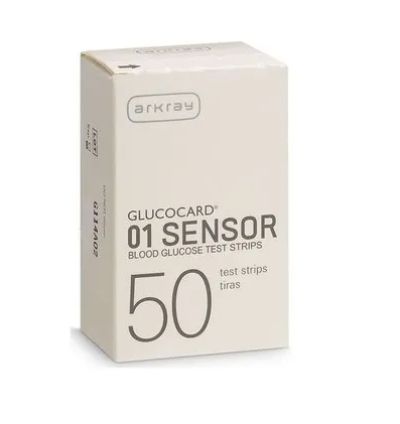
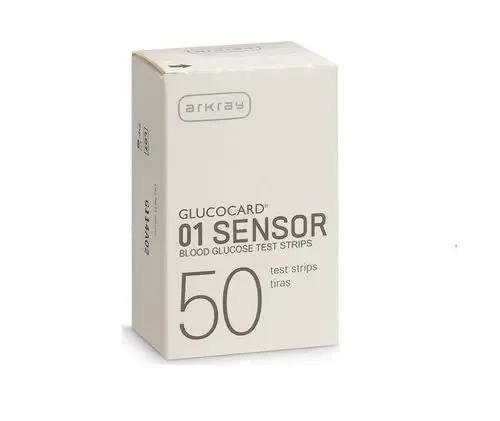
A GLUCOCARD Sensor is a crucial component of a blood glucose monitoring system, designed for the quantitative measurement of glucose in fresh capillary whole blood. These sensors, often in the form of test strips, utilize an electrochemical method to detect glucose levels. When a small blood sample is applied to the strip, glucose in the blood reacts with enzymes on the strip, generating an electrical current proportional to the glucose concentration. This current is then read by a compatible glucometer, providing a digital readout of the patient's blood glucose level. Regular use of these sensors is vital for individuals with diabetes to monitor their glycemic control, make informed decisions about diet, exercise, and medication, and prevent acute complications like hypoglycemia or hyperglycemia. They are engineered for accuracy and ease of use, contributing significantly to effective diabetes management.
Uses
- Monitoring blood glucose levels in diabetes.
- Aiding in the management of diabetes mellitus.
- Detecting episodes of hypoglycemia or hyperglycemia.
- Guiding adjustments in insulin or oral antidiabetic medication.
Directions For Use
Insert the sensor into the glucometer. Apply a small blood sample to the designated area on the strip and wait for the result.
Benefits
- Provides accurate and reliable blood glucose readings.
- Facilitates proactive diabetes management.
- Quick results for immediate decision-making.
- Designed for user-friendly operation.
- Helps prevent diabetes-related complications.
- Requires only a small blood sample.
Side Effects
- Pain or discomfort at the lancing site.
- Minor bruising or bleeding at the lancing site.
- Skin irritation or redness from adhesive (if applicable).
- Inaccurate readings due to improper use.
- Device malfunction or error messages.
- False high or low readings due to interfering substances.
- Allergic reaction to strip materials (rare).
- Infection at the lancing site (very rare).
- Swelling or tenderness at the test site.
- Difficulty obtaining a sufficient blood sample.
- Strip expiration or damage affecting accuracy.
- Psychological stress from frequent testing.
Safety Measures
- Alcohol - Ensure the skin is clean and dry before lancing; alcohol residue can affect test accuracy.
- Pregnancy - Safe for use during pregnancy to monitor blood glucose levels, which is crucial for maternal and fetal health.
- Breastfeeding - Safe for use during breastfeeding as it is an external diagnostic device and does not involve medication transfer.
- Liver - Safe for use in patients with liver conditions as it is an external diagnostic device and not metabolized by the liver.
- Kidney - Safe for use in patients with kidney conditions as it is an external diagnostic device and not excreted by the kidneys.
- Lung - Safe for use in patients with lung conditions as it is an external diagnostic device and does not impact respiratory function.
Disclaimer
MedEHub is committed to delivering reliable, expert-reviewd information to help consumers make informed health decisions. However, the content provided on this website is for informational purposes only and is not intended to replace professional medical advice, diagnosis or treatment.
Always consult your doctor for any medical concerns, and discuss your questions about health conditions or medications with a qualified healthcare professional. Do not ignore or delay seeking professional medical advice based on information found on Med E Hub.
Our goal is to complement, not replace, the essential doctor-patient relationship.
| Shipping Cost |
|
| Shop Location | Assam, India |














No comments found for this product. Be the first to comment!