
About
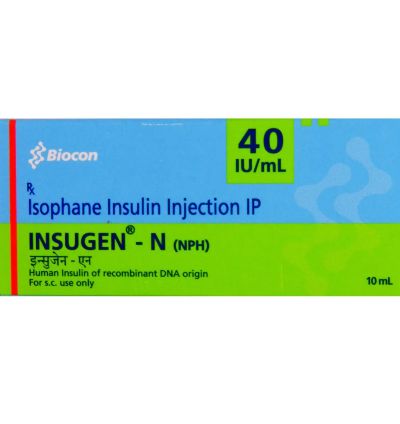
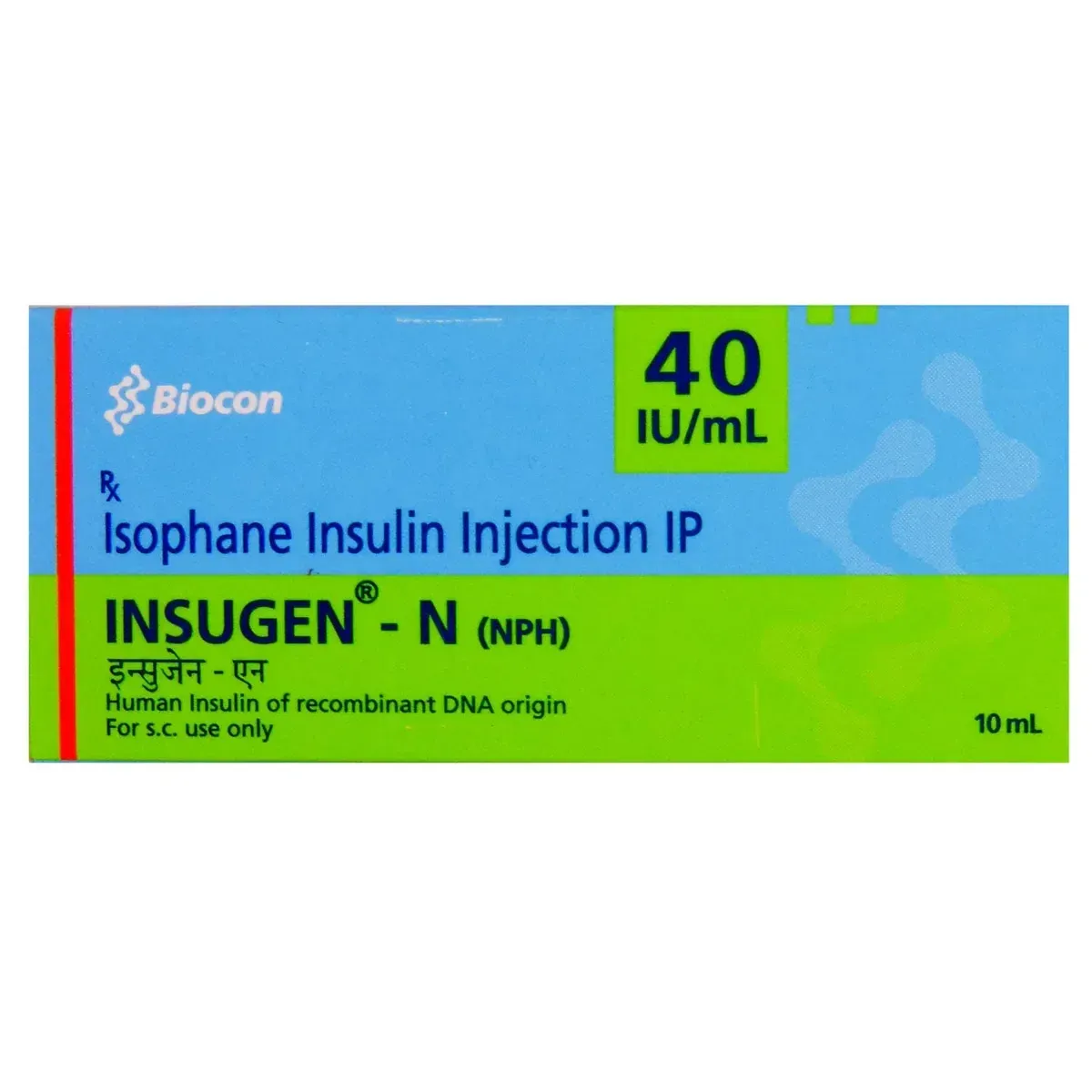
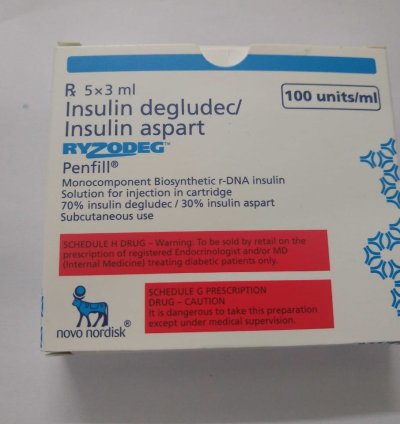
Insugen N (Insulin NPH) is an intermediate-acting insulin used to control blood sugar levels in people with diabetes mellitus. It works by mimicking the natural insulin produced by the pancreas, facilitating glucose uptake by cells and reducing glucose production by the liver. Its onset of action is typically 1.5 to 4 hours, with a peak effect between 4 and 12 hours, and a duration of action lasting approximately 12 to 18 hours. This makes it suitable for providing basal insulin coverage, often administered once or twice daily, sometimes in combination with rapid- or short-acting insulins to manage post-meal glucose excursions. Proper administration and dosage adjustment are crucial to prevent hypoglycemia and achieve optimal glycemic control.
Uses
- Management of Type 1 Diabetes Mellitus.
- Management of Type 2 Diabetes Mellitus.
- Control of hyperglycemia.
- Prevention of diabetic complications.
Directions For Use
Administer subcutaneously as directed by your physician, usually once or twice daily. Rotate injection sites to prevent lipodystrophy.
Benefits
- Provides sustained blood sugar control.
- Reduces risk of long-term diabetic complications.
- Flexible dosing for individualized treatment.
- Helps maintain stable glucose levels.
- Essential for managing insulin deficiency.
- Improves overall metabolic health.
Side Effects
- Hypoglycemia (low blood sugar)
- Injection site reactions (redness, swelling, itching)
- Lipodystrophy (fat atrophy or hypertrophy at injection site)
- Weight gain
- Peripheral edema
- Allergic reactions (rare)
- Rash
- Pruritus
- Urticaria
- Bronchospasm
- Hypotension
- Anaphylaxis (very rare)
Safety Measures
- Alcohol - Alcohol can lower blood sugar and increase the risk of hypoglycemia when used with insulin. Consume in moderation, if at all, and monitor blood glucose closely.
- Pregnancy - Insulin is generally considered safe and is the preferred treatment for diabetes in pregnancy. Close monitoring and dose adjustments are essential.
- Breastfeeding - Insulin is safe to use during breastfeeding as it does not pass into breast milk in significant amounts.
- Liver - Patients with liver impairment may require insulin dose adjustments due to altered glucose metabolism and insulin clearance.
- Kidney - Renal impairment can prolong insulin action and increase the risk of hypoglycemia; dose adjustments are often necessary.
- Lung - No specific contraindications or precautions related to lung conditions for insulin use.
Disclaimer
MedEHub is committed to delivering reliable, expert-reviewd information to help consumers make informed health decisions. However, the content provided on this website is for informational purposes only and is not intended to replace professional medical advice, diagnosis or treatment.
Always consult your doctor for any medical concerns, and discuss your questions about health conditions or medications with a qualified healthcare professional. Do not ignore or delay seeking professional medical advice based on information found on Med E Hub.
Our goal is to complement, not replace, the essential doctor-patient relationship.
| Shipping Cost |
|
| Shop Location | Assam, India |





No comments found for this product. Be the first to comment!