

About
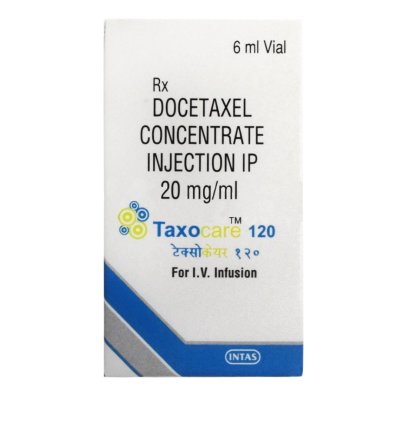
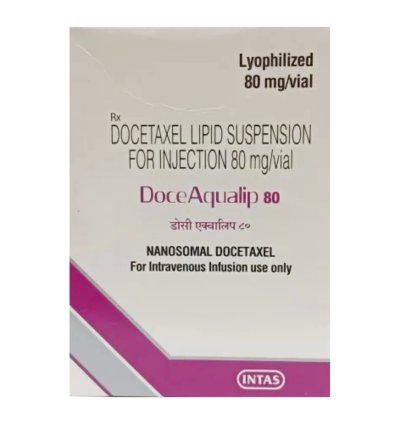
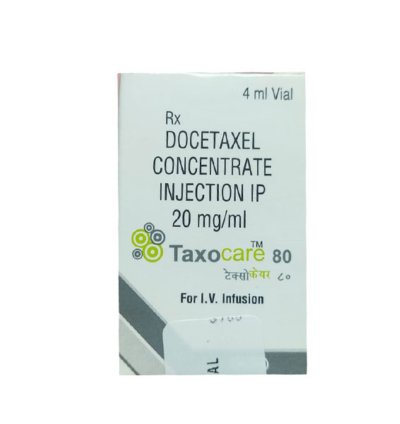
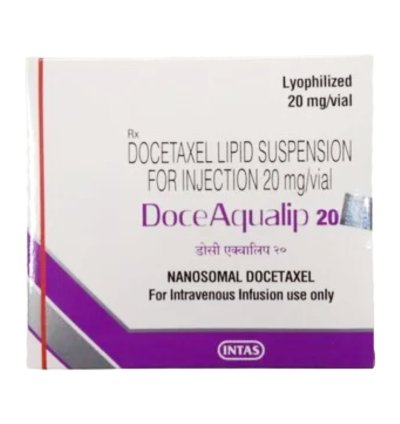
Docetaxel is a taxane antineoplastic agent that exerts its cytotoxic effects by promoting the assembly of microtubules from tubulin dimers and simultaneously inhibiting their depolymerization. This action leads to the stabilization of microtubules, preventing normal cellular mitotic and interphase functions. The accumulation of stable microtubules results in the arrest of cells in the G2/M phase of the cell cycle, ultimately triggering apoptosis. Docetaxel is widely used in the treatment of various solid tumors due to its potent antimitotic activity and ability to disrupt the dynamic equilibrium of the microtubule network, which is essential for cell division and other vital cellular processes.
Uses
- Treatment of metastatic breast cancer.
- Management of non-small cell lung cancer.
- Treatment of prostate cancer.
- Management of gastric adenocarcinoma.
Directions For Use
Administer intravenously by a qualified healthcare professional, typically as a 1-hour infusion, with premedication to reduce hypersensitivity reactions.
Benefits
- Effective against a broad spectrum of solid tumors.
- Induces apoptosis in rapidly dividing cancer cells.
- Can be used as monotherapy or in combination regimens.
- Demonstrates significant tumor response rates.
- Improves progression-free survival in many cancers.
- Well-established efficacy in various treatment lines.
Side Effects
- Myelosuppression (neutropenia, anemia, thrombocytopenia)
- Hypersensitivity reactions
- Fluid retention (edema)
- Peripheral neuropathy
- Alopecia (hair loss)
- Nausea and vomiting
- Diarrhea
- Stomatitis/mucositis
- Fatigue/asthenia
- Nail changes
- Skin reactions
- Muscle and joint pain
Safety Measures
- Alcohol - Alcohol should be strictly avoided during treatment as it can exacerbate gastrointestinal side effects and may interact with the drug's metabolism.
- Pregnancy - This medication is contraindicated in pregnancy due to its genotoxic and teratogenic potential; effective contraception is mandatory during treatment.
- Breastfeeding - Breastfeeding is contraindicated during treatment and for a period after the last dose due to the potential for serious adverse effects on the infant.
- Liver - Dose adjustments are crucial for patients with hepatic impairment, and liver function should be closely monitored due to the drug's metabolism and excretion.
- Kidney - No specific dose adjustment is typically required for renal impairment, but caution is advised, and renal function should be monitored.
- Lung - Patients should be monitored for signs of pulmonary toxicity, such as interstitial pneumonia or acute respiratory distress syndrome, though these are rare.
Disclaimer
MedEHub is committed to delivering reliable, expert-reviewd information to help consumers make informed health decisions. However, the content provided on this website is for informational purposes only and is not intended to replace professional medical advice, diagnosis or treatment.
Always consult your doctor for any medical concerns, and discuss your questions about health conditions or medications with a qualified healthcare professional. Do not ignore or delay seeking professional medical advice based on information found on Med E Hub.
Our goal is to complement, not replace, the essential doctor-patient relationship.
| Shipping Cost |
|
| Shop Location | Assam, India |









No comments found for this product. Be the first to comment!