

About
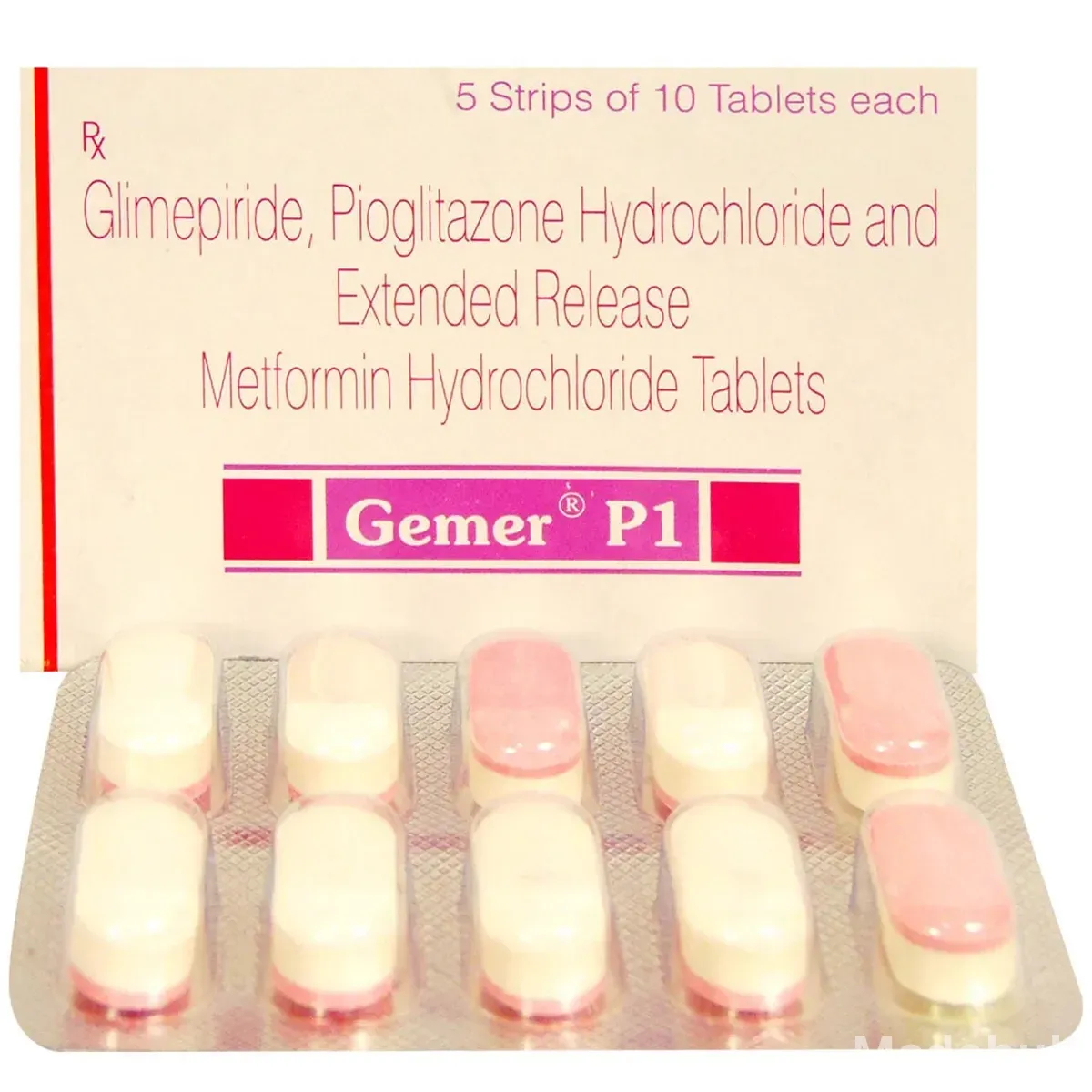
Gemer P1 tablets likely contain a combination of Glimepiride and Metformin, two oral antidiabetic medications. Glimepiride is a sulfonylurea that stimulates insulin release from pancreatic beta cells, thereby lowering blood glucose. Metformin, a biguanide, reduces hepatic glucose production, decreases intestinal glucose absorption, and improves insulin sensitivity in peripheral tissues. This dual mechanism of action provides comprehensive glycemic control for patients with type 2 diabetes mellitus.
This combination is typically prescribed for individuals whose blood sugar is not adequately controlled by monotherapy with either agent alone, or who are already on combination therapy. It helps to lower both fasting and post-prandial blood glucose levels, contributing to better overall management of diabetes and reduction in HbA1c levels. The synergistic effect of these two drugs helps to address different aspects of glucose dysregulation in type 2 diabetes.
Uses
- Management of type 2 diabetes mellitus.
- Used when diet, exercise, and monotherapy are insufficient.
- To improve glycemic control in adults.
- As a second-line therapy for uncontrolled blood sugar.
Directions For Use
Take orally with meals, usually once or twice daily, as prescribed by your doctor. Swallow the tablet whole with water.
Benefits
- Provides comprehensive glycemic control.
- Targets multiple pathways of glucose regulation.
- More effective than monotherapy for many patients.
- Convenient fixed-dose combination.
- Helps reduce HbA1c levels significantly.
- May reduce the number of pills taken daily.
Side Effects
- Hypoglycemia (due to glimepiride)
- Nausea
- Diarrhea
- Abdominal pain
- Vomiting
- Headache
- Dizziness
- Metallic taste
- Weight gain (due to glimepiride)
- Skin rash
- Lactic acidosis (rare, due to metformin)
- Vitamin B12 deficiency (long-term metformin)
Safety Measures
- Alcohol - Avoid excessive alcohol intake as it can increase the risk of hypoglycemia (due to glimepiride) and lactic acidosis (due to metformin).
- Pregnancy - Not recommended during pregnancy. Insulin is generally preferred for managing diabetes in pregnant women. Consult a doctor.
- Breastfeeding - Not recommended during breastfeeding as both components may pass into breast milk and could cause hypoglycemia in the infant.
- Liver - Use with caution in patients with impaired liver function due to increased risk of hypoglycemia and lactic acidosis. Not recommended in severe hepatic impairment.
- Kidney - Contraindicated in severe renal impairment (eGFR <30 mL/min/1.73m²). Dose adjustment is required for moderate impairment.
- Lung - No specific contraindications related to lung conditions, but severe respiratory failure could contribute to lactic acidosis risk.
Disclaimer
MedEHub is committed to delivering reliable, expert-reviewd information to help consumers make informed health decisions. However, the content provided on this website is for informational purposes only and is not intended to replace professional medical advice, diagnosis or treatment.
Always consult your doctor for any medical concerns, and discuss your questions about health conditions or medications with a qualified healthcare professional. Do not ignore or delay seeking professional medical advice based on information found on Med E Hub.
Our goal is to complement, not replace, the essential doctor-patient relationship.
| Shipping Cost |
|
| Shop Location | Assam, India |












No comments found for this product. Be the first to comment!