

About
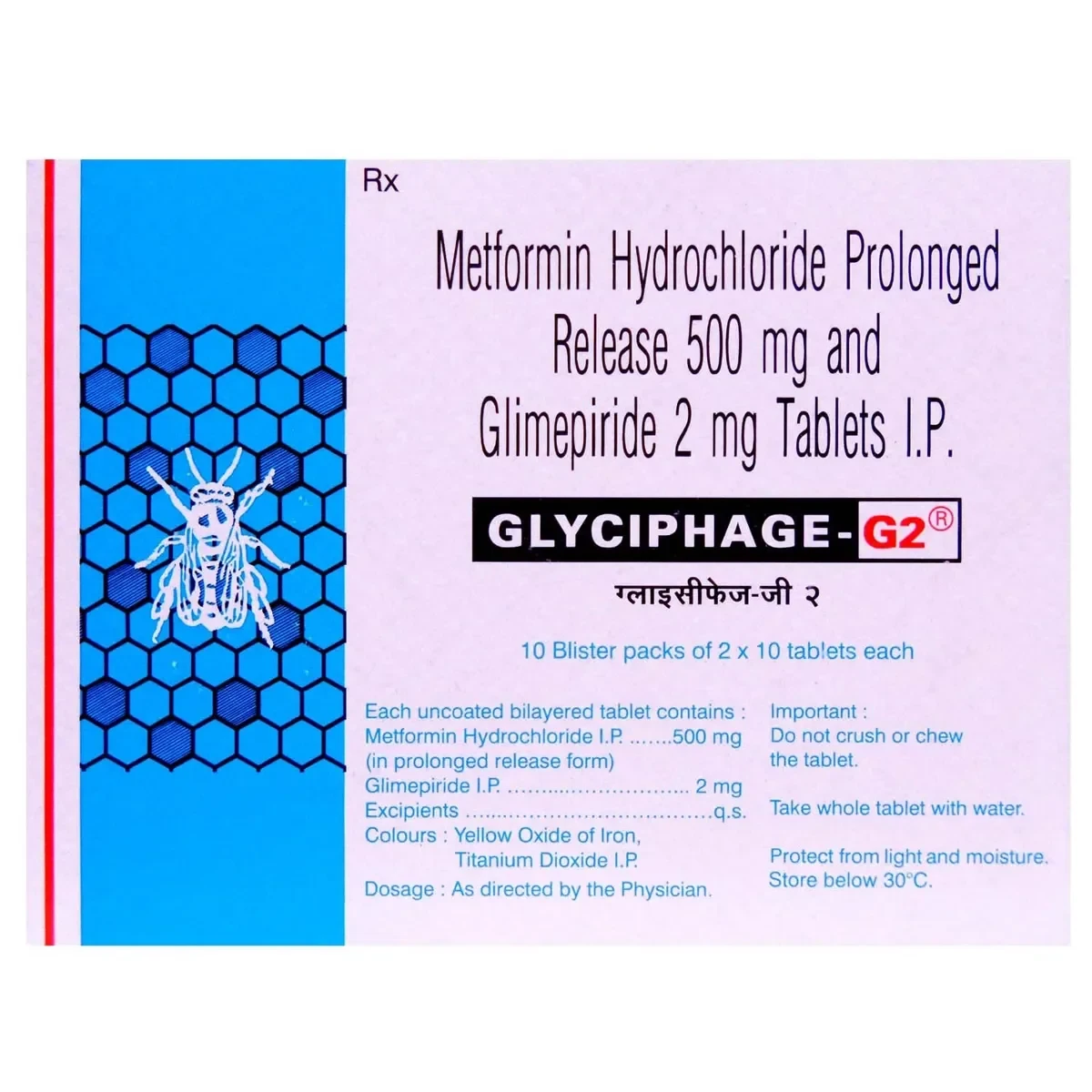
This medication combines Metformin and Glimepiride, two potent oral antidiabetic agents, to provide enhanced glycemic control for adults with type 2 diabetes mellitus. Metformin, a biguanide, primarily acts by reducing glucose production in the liver and improving the body's sensitivity to insulin. Glimepiride, a sulfonylurea, stimulates the pancreatic beta cells to release more insulin, thereby lowering blood glucose levels.
This synergistic action addresses both insulin resistance and inadequate insulin secretion, making it effective when monotherapy with either drug is insufficient. It is an important therapeutic option for achieving target HbA1c levels and managing both fasting and postprandial hyperglycemia, contributing to better long-term diabetes outcomes.
Uses
- Treatment of type 2 diabetes.
- Improved blood sugar regulation.
- When single drug therapy fails.
- Used with diet and exercise.
Directions For Use
Take orally with meals, typically once or twice daily, as prescribed by your doctor. Ensure regular meal intake.
Benefits
- Offers comprehensive glucose management.
- Addresses multiple aspects of diabetes.
- Significantly lowers HbA1c.
- Controls both fasting and post-meal sugars.
- Simplifies medication regimen.
- Potent synergistic effect.
Side Effects
- Hypoglycemia
- Gastrointestinal upset
- Nausea
- Diarrhea
- Abdominal discomfort
- Headache
- Dizziness
- Weight gain
- Skin reactions
- Photosensitivity
- Lactic acidosis (rare)
- Taste disturbance
Safety Measures
- Alcohol - Avoid alcohol consumption as it can significantly increase the risk of severe hypoglycemia and also elevate the risk of lactic acidosis.
- Pregnancy - Contraindicated. Glimepiride is known to be harmful in pregnancy, and while metformin has some use, combination therapy is generally not recommended.
- Breastfeeding - Contraindicated. Glimepiride passes into breast milk and can cause hypoglycemia in the infant. Metformin is generally safe, but the combination is not advised.
- Liver - Use with extreme caution or avoid in severe hepatic impairment due to increased risk of hypoglycemia and lactic acidosis. Close monitoring is essential.
- Kidney - Contraindicated in severe renal impairment (eGFR <30 mL/min/1.73m²). Careful dose adjustment is necessary for moderate impairment to prevent drug accumulation.
- Lung - Patients with severe acute or chronic lung conditions that cause hypoxia should use this combination with caution, as hypoxia can predispose to lactic acidosis.
Disclaimer
MedEHub is committed to delivering reliable, expert-reviewd information to help consumers make informed health decisions. However, the content provided on this website is for informational purposes only and is not intended to replace professional medical advice, diagnosis or treatment.
Always consult your doctor for any medical concerns, and discuss your questions about health conditions or medications with a qualified healthcare professional. Do not ignore or delay seeking professional medical advice based on information found on Med E Hub.
Our goal is to complement, not replace, the essential doctor-patient relationship.
| Shipping Cost |
|
| Shop Location | Assam, India |













No comments found for this product. Be the first to comment!