
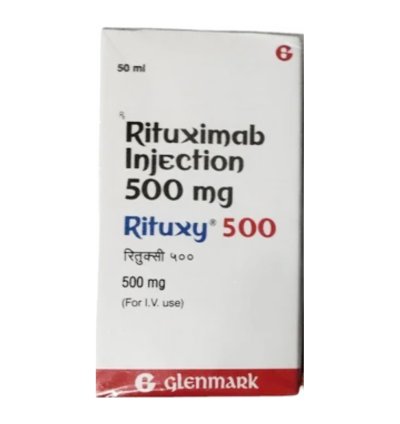

About
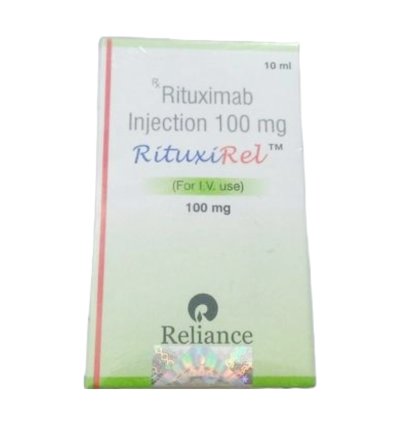
Rituximab is a chimeric monoclonal antibody that specifically targets the CD20 antigen, a transmembrane protein found on the surface of pre-B and mature B-lymphocytes, but not on hematopoietic stem cells or plasma cells. By binding to CD20, rituximab initiates a cascade of immune responses, including antibody-dependent cell-mediated cytotoxicity (ADCC), complement-dependent cytotoxicity (CDC), and direct induction of apoptosis, ultimately leading to the selective depletion of CD20-positive B-cells. This targeted B-cell depletion is a crucial therapeutic strategy in treating various B-cell non-Hodgkin lymphomas, chronic lymphocytic leukemia, and a range of autoimmune diseases such as rheumatoid arthritis and granulomatosis with polyangiitis, where B-cells play a significant pathogenic role. Its mechanism helps to effectively control disease progression, reduce inflammatory activity, and restore immune balance by removing the disease-driving B-cell population.
Uses
- Non-Hodgkin Lymphoma
- Chronic Lymphocytic Leukemia
- Rheumatoid Arthritis
- Granulomatosis with Polyangiitis
Directions For Use
Administer via intravenous infusion under strict medical supervision. Dosage and infusion rate depend on the specific condition and patient response.
Benefits
- Induces remission in certain lymphomas
- Reduces disease activity in autoimmune conditions
- Improves symptoms of rheumatoid arthritis
- Targets specific disease-causing B-cells
- Can be used in combination therapies
- Offers long-term disease control for some patients
Side Effects
- Infusion-related reactions (fever, chills, nausea)
- Fatigue
- Headache
- Nausea
- Diarrhea
- Increased risk of infections
- Peripheral edema
- Hypotension
- Pruritus
- Rash
- Neutropenia
- Progressive multifocal leukoencephalopathy (PML)
Safety Measures
- Alcohol - No specific contraindication, but avoid excessive alcohol, especially if liver function is compromised or other medications are taken.
- Pregnancy - Not recommended during pregnancy due to potential B-cell depletion in the fetus. Effective contraception is advised during and after treatment.
- Breastfeeding - Avoid breastfeeding during treatment and for several months after the last dose, as it may be excreted in breast milk.
- Liver - Use with caution in patients with impaired liver function. Regular monitoring of liver enzymes may be necessary.
- Kidney - No specific dose adjustment is typically required for renal impairment, but monitor kidney function, especially with concomitant nephrotoxic drugs.
- Lung - Use with caution in patients with pre-existing pulmonary conditions, as infusion reactions can affect respiratory function.
Disclaimer
MedEHub is committed to delivering reliable, expert-reviewd information to help consumers make informed health decisions. However, the content provided on this website is for informational purposes only and is not intended to replace professional medical advice, diagnosis or treatment.
Always consult your doctor for any medical concerns, and discuss your questions about health conditions or medications with a qualified healthcare professional. Do not ignore or delay seeking professional medical advice based on information found on Med E Hub.
Our goal is to complement, not replace, the essential doctor-patient relationship.
| Shipping Cost |
|
| Shop Location | Assam, India |











No comments found for this product. Be the first to comment!