


About
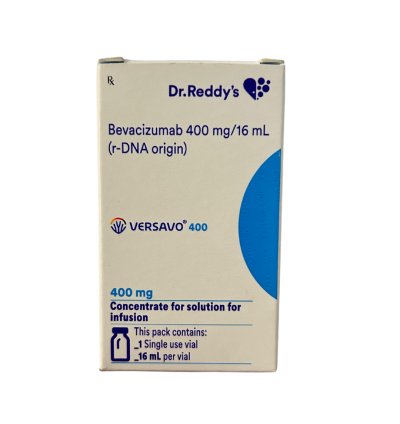
Bevicra 400mg Injection contains a recombinant humanized monoclonal antibody that specifically binds to and neutralizes vascular endothelial growth factor (VEGF). VEGF is a pivotal mediator of angiogenesis, the process of new blood vessel formation, which is indispensable for tumor growth, survival, and metastasis. By effectively inhibiting VEGF, Bevicra significantly reduces the blood supply to tumors, thereby starving them of essential nutrients and oxygen, and consequently inhibiting their proliferation and spread. This anti-angiogenic mechanism makes it a powerful agent in oncology.
Bevicra is commonly employed in combination with various chemotherapy regimens for the treatment of several advanced cancers, enhancing the overall therapeutic efficacy. Its administration is intravenous, requiring careful monitoring by healthcare professionals. Due to its mechanism of action, potential side effects include hypertension, proteinuria, and bleeding events, necessitating close patient surveillance throughout the treatment course. Bevicra represents a targeted approach to cancer therapy, disrupting a fundamental process required for tumor progression.
Uses
- Treatment of metastatic colorectal cancer.
- Management of non-small cell lung cancer.
- Treatment of metastatic renal cell carcinoma.
- Used in certain types of recurrent glioblastoma.
Directions For Use
This medication is administered intravenously by a healthcare professional, typically every 2-3 weeks, as per the prescribed regimen.
Benefits
- Inhibits tumor angiogenesis.
- Slows tumor growth and progression.
- Extends progression-free survival.
- Effective in combination with chemotherapy.
- Reduces tumor blood supply.
- Improves overall survival in some cancers.
Side Effects
- Hypertension
- Proteinuria
- Bleeding events
- Thromboembolic events
- Gastrointestinal perforation
- Wound healing complications
- Fatigue
- Headache
- Diarrhea
- Nausea
- Taste alteration
- Nasal septum perforation
Safety Measures
- Alcohol - No specific interaction with alcohol is known, but general moderation is advised during cancer treatment.
- Pregnancy - Bevicra is contraindicated during pregnancy due to potential teratogenicity; women of childbearing potential must use effective contraception.
- Breastfeeding - Discontinue breastfeeding during treatment with Bevicra and for at least 6 months after the last dose, as it may be excreted in breast milk.
- Liver - Use with caution in patients with severe hepatic impairment; no specific dose adjustments are typically required, but monitor for adverse effects.
- Kidney - Monitor for proteinuria and kidney function, especially in patients with pre-existing renal impairment, as it can exacerbate kidney issues.
- Lung - Monitor for signs of pulmonary hemorrhage or other respiratory complications, particularly in patients with lung cancer or a history of bleeding.
Disclaimer
MedEHub is committed to delivering reliable, expert-reviewd information to help consumers make informed health decisions. However, the content provided on this website is for informational purposes only and is not intended to replace professional medical advice, diagnosis or treatment.
Always consult your doctor for any medical concerns, and discuss your questions about health conditions or medications with a qualified healthcare professional. Do not ignore or delay seeking professional medical advice based on information found on Med E Hub.
Our goal is to complement, not replace, the essential doctor-patient relationship.
| Shipping Cost |
|
| Shop Location | Assam, India |














No comments found for this product. Be the first to comment!