

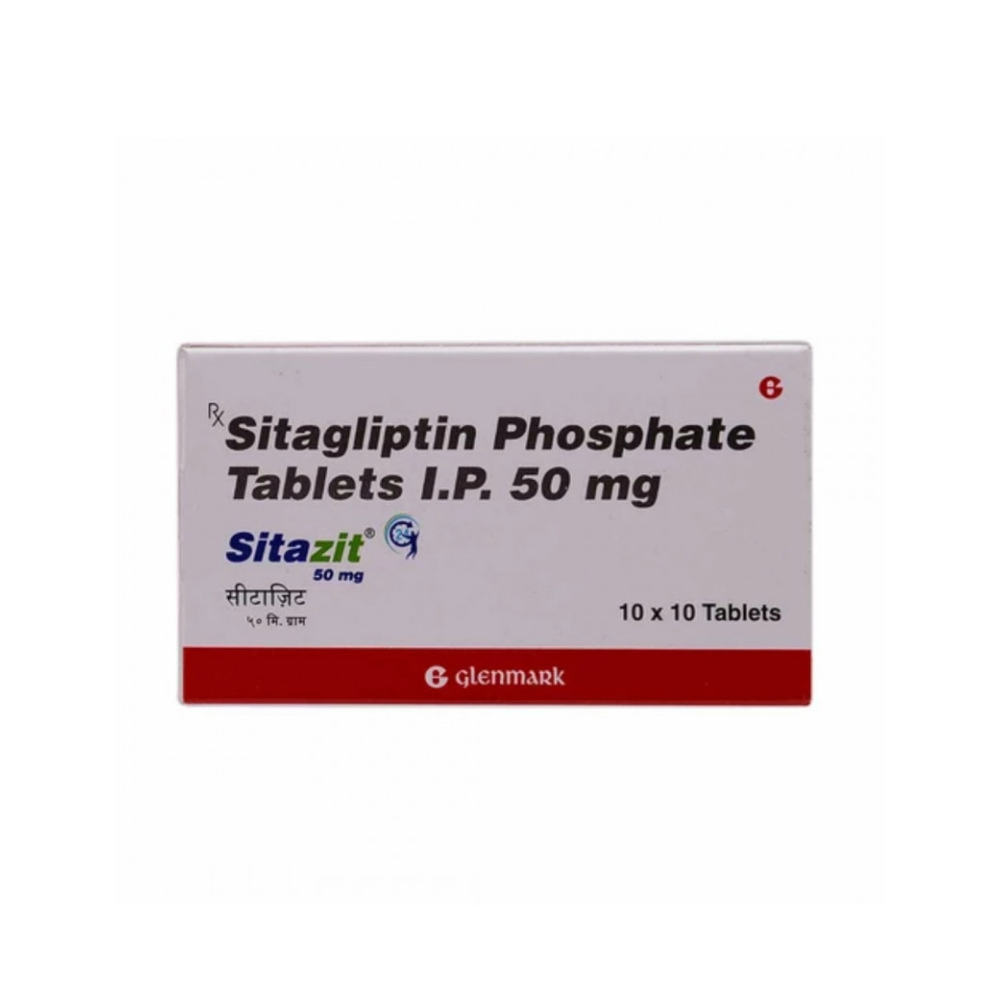
About
Sitagliptin is an oral dipeptidyl peptidase-4 (DPP-4) inhibitor used in the management of type 2 diabetes mellitus. It works by enhancing the body's natural ability to lower high blood glucose levels. Sitagliptin inhibits the enzyme DPP-4, which normally breaks down incretin hormones like GLP-1 and GIP. By preserving these incretins, sitagliptin increases insulin synthesis and release from pancreatic beta cells in a glucose-dependent manner, and simultaneously decreases glucagon secretion from pancreatic alpha cells. This dual action helps to improve both fasting and post-meal blood glucose levels, contributing to better overall glycemic control. It is typically used as an adjunct to diet and exercise, either as monotherapy or in combination with other antidiabetic agents, to achieve optimal blood sugar management.
Uses
- Treatment of type 2 diabetes mellitus.
- Improvement of glycemic control.
- Used as monotherapy or in combination with other antidiabetic agents.
- Reduction of HbA1c levels.
Directions For Use
Take one tablet orally once daily, with or without food, as directed by your healthcare provider.
Benefits
- Effective blood glucose lowering.
- Low risk of hypoglycemia when used alone.
- Weight-neutral effect.
- Convenient once-daily dosing.
- Improves both fasting and post-meal glucose.
- Well-tolerated profile.
Side Effects
- Nasopharyngitis
- Headache
- Upper respiratory tract infection
- Diarrhea
- Nausea
- Abdominal pain
- Joint pain
- Hypoglycemia (especially with sulfonylureas or insulin)
- Pancreatitis (rare)
- Allergic reactions (e.g., rash, urticaria)
- Angioedema (rare)
- Stevens-Johnson syndrome (very rare)
Safety Measures
- Alcohol - Moderate alcohol consumption is generally acceptable. Excessive intake should be avoided as it may affect blood sugar levels.
- Pregnancy - Use during pregnancy is generally not recommended unless the potential benefits outweigh the risks. Consult your doctor.
- Breastfeeding - Sitagliptin is excreted in breast milk. Consult a doctor to determine if breastfeeding is appropriate.
- Liver - No dose adjustment is typically required for mild to moderate hepatic impairment. Use with caution in severe impairment.
- Kidney - Dose adjustment is necessary for patients with moderate to severe renal impairment (eGFR <45 mL/min/1.73m²).
- Lung - Generally safe for patients with lung conditions. No specific pulmonary precautions.
Disclaimer
MedEHub is committed to delivering reliable, expert-reviewd information to help consumers make informed health decisions. However, the content provided on this website is for informational purposes only and is not intended to replace professional medical advice, diagnosis or treatment.
Always consult your doctor for any medical concerns, and discuss your questions about health conditions or medications with a qualified healthcare professional. Do not ignore or delay seeking professional medical advice based on information found on Med E Hub.
Our goal is to complement, not replace, the essential doctor-patient relationship.
| Shipping Cost |
|
| Shop Location | Assam, India |





No comments found for this product. Be the first to comment!